

In response to the perennial challenge of transboundary haze pollution in Southeast Asia, Thailand has officially launched its “Clear Sky Strategy 2024-2030.”
This ambitious initiative aims to foster greater regional collaboration to mitigate the environmental and health impacts of haze pollution, which is often exacerbated by agricultural practices such as crop burning.
The announcement came during a seminar held on October 29th, 2024, at the Ministry of Foreign Affairs that gathered experts and policymakers from across the region.
“CLEAR Sky” to foster a regional approach to haze
The seminar highlighted the shared challenges and the concerted efforts required to combat them. “As we approach the end of this year, when the air temperature begins to drop, we can expect PM2.5 to blow up again. Therefore, this plan addresses the issue in the region,” stated Maris Sangiampongsa, Thailand’s Minister of Foreign Affairs. “It will also help us to harness cooperation with partners around the world.”
The strategy involves a comprehensive plan that encompasses Continued Commitment, Leveraging Mechanisms, Experience Sharing, Air Quality Networks, and Response — collectively abbreviated as “CLEAR.” It seeks to enhance the capabilities of ASEAN countries in monitoring, preventing, and managing haze pollution through shared resources and expertise.
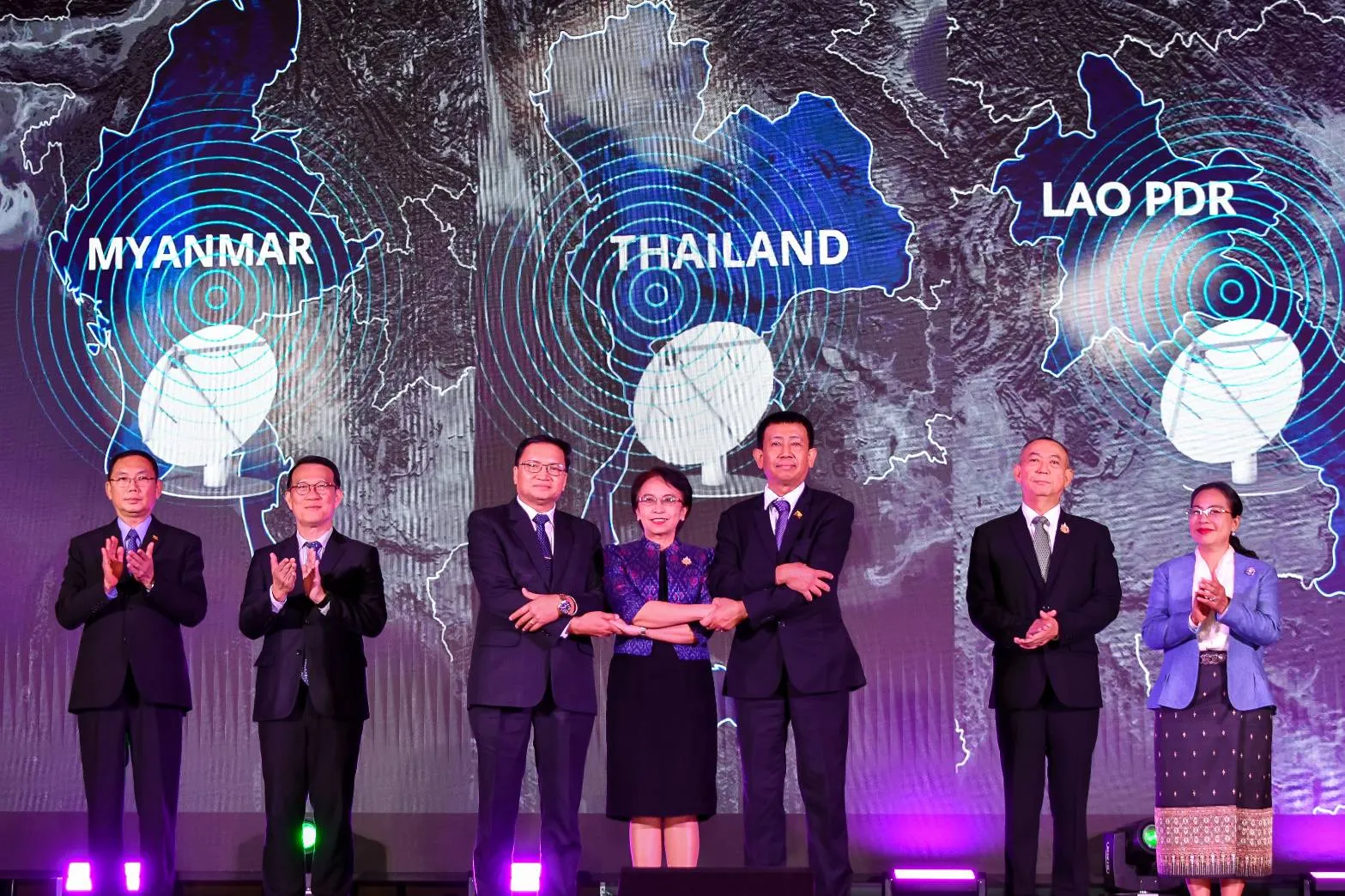
The “CLEAR Sky Strategy” was introduced following detailed discussions between Thailand, Laos, and Myanmar, which culminated in an agreement to strengthen measures against the pollution primarily caused by forest fires and agricultural burning.
Chalermchai Sri-on, Thailand’s Minister of Natural Resources and Environment, emphasized the importance of tangible outcomes from the collaboration, stressing the need to tackle forest fires and transboundary haze “by working closely with both neighboring countries to create concrete outcomes.”
Thailand is set to host a conference later this year in Bangkok for all signatories of the ASEAN Agreement on Transboundary Haze Pollution. This meeting aims to further solidify the framework for regional cooperation and ensure that the “CLEAR Sky Strategy” leads to significant improvements in air quality across Southeast Asia.
The economic stakes of transboundary haze
This collaborative approach was developed through discussions at ASEAN summits, underscoring the urgency of addressing the pervasive issue that affects millions in the region each year. Seasonal haze, particularly prevalent towards the end of the year, casts a significant shadow over regional tourism and poses serious public health risks.
The economic ramifications of the haze are severe, especially for North and Northeast Thailand, which have already been reeling from catastrophic flood damages estimated at THB242 billion (approx. US$7.17 billion). The haze exacerbates these financial strains by disrupting agriculture and reducing air quality, which in turn deters tourist activities during peak seasons. For instance, Chiang Mai recently witnessed a drastic drop in tourism revenue when it ranked as the city with the worst air pollution globally.
Moreover, the economic impact is compounded by broader environmental changes anticipated from El Niño effects, expected to intensify dry conditions and potentially increase the frequency and severity of haze episodes. Historical data suggests that transboundary haze, coupled with adverse weather conditions, can lead to economic, social, and environmental losses amounting to billions of dollars across Southeast Asia, further emphasizing the need for robust regional strategies like the “CLEAR Sky Strategy” to mitigate these recurring challenges effectively.

 Paul Rujopakarn