

Visitors and residents don’t have to approach Thai craft from a distance. Many traditions open their doors to casual learners, and the settings range from village workshops to national fairs.
SACIT hosts exhibitions that bring master artisans and emerging makers into the same space, offering demonstrations that show how each craft actually works — how lacquer is layered, how silk is reeled, how carving tools move through wood. Some demonstrations become hands-on sessions where participants can try the basic steps under supervision.
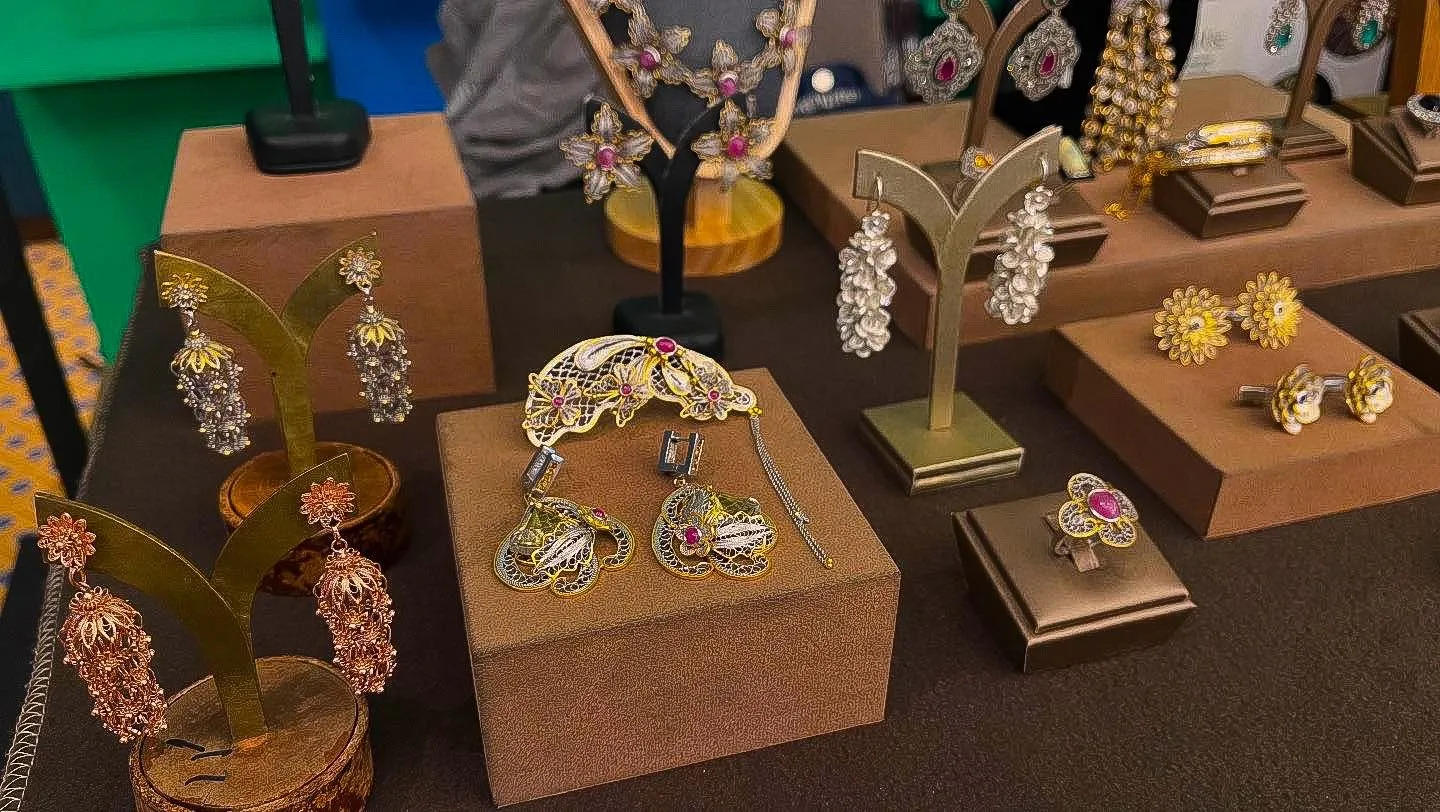
Elsewhere, independent studios run weaving, dyeing, carving, or pottery classes designed for beginners. Craft villages often let visitors walk through workspaces, talk with artisans, and purchase pieces directly. Weekend markets and seasonal fairs feature regional goods that reveal how each community interprets its materials.
The point is not to master a technique in a single afternoon. It’s to understand how much attention these crafts require, and why they remain central to cultural identity even as Thailand modernizes. Engaging with the work — whether by watching, learning, or collecting — helps keep the lineage intact. And you can be a part of that.
Thai Woodwork & Carving
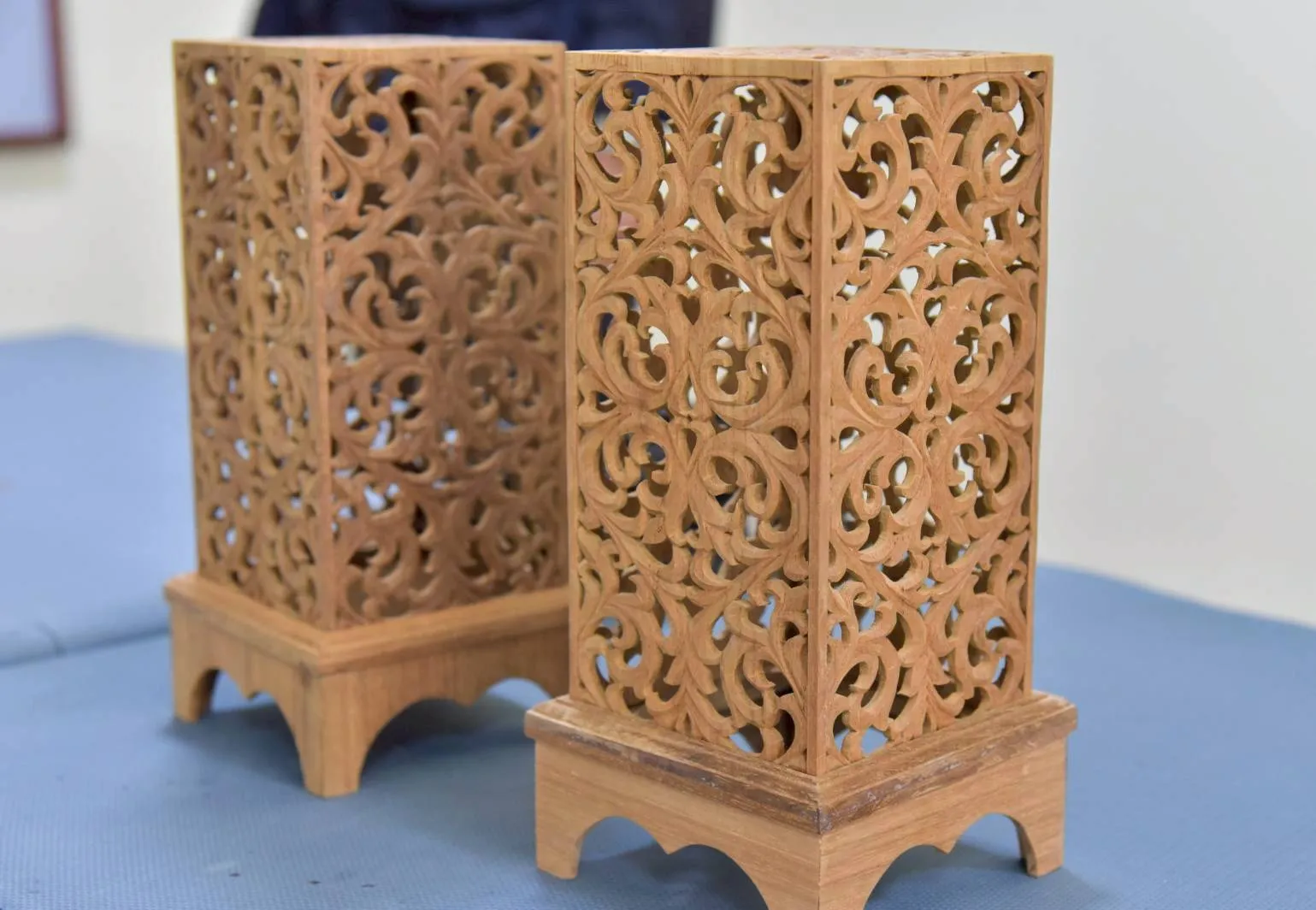
Thai woodcarving carries a vocabulary shaped by temples, court aesthetics, and everyday utility. The motifs — lai kanok, lotus petals, flame-like curves — show up on doors, pillars, and ceremonial architecture. Artisans describe carving as a discipline of repetition: patterns memorized across generations, chisels guided by muscle memory rather than sketches.
What makes this craft distinct is the way form and belief meet. Much of the carving tradition grew around spiritual spaces, where symbolism mattered as much as technique. Even today, these visual languages hold steady across regions.
Where to experience it:
- Baan Tawai (Chiang Mai): A long-established center for woodcarving and furniture-making, with shops and workshops clustered in Hang Dong District.
- Bang Sai Royal Folk Arts and Crafts Centre (Ayutthaya): Run under the SUPPORT Foundation, the center hosts traditional craft training and demonstrations, including woodwork, for visitors.
- Chatuchak Weekend Market (Bangkok): The handicrafts sections regularly feature carved panels, household items, and small decorative pieces from regional carvers.
Thai Textiles & Silk Weaving
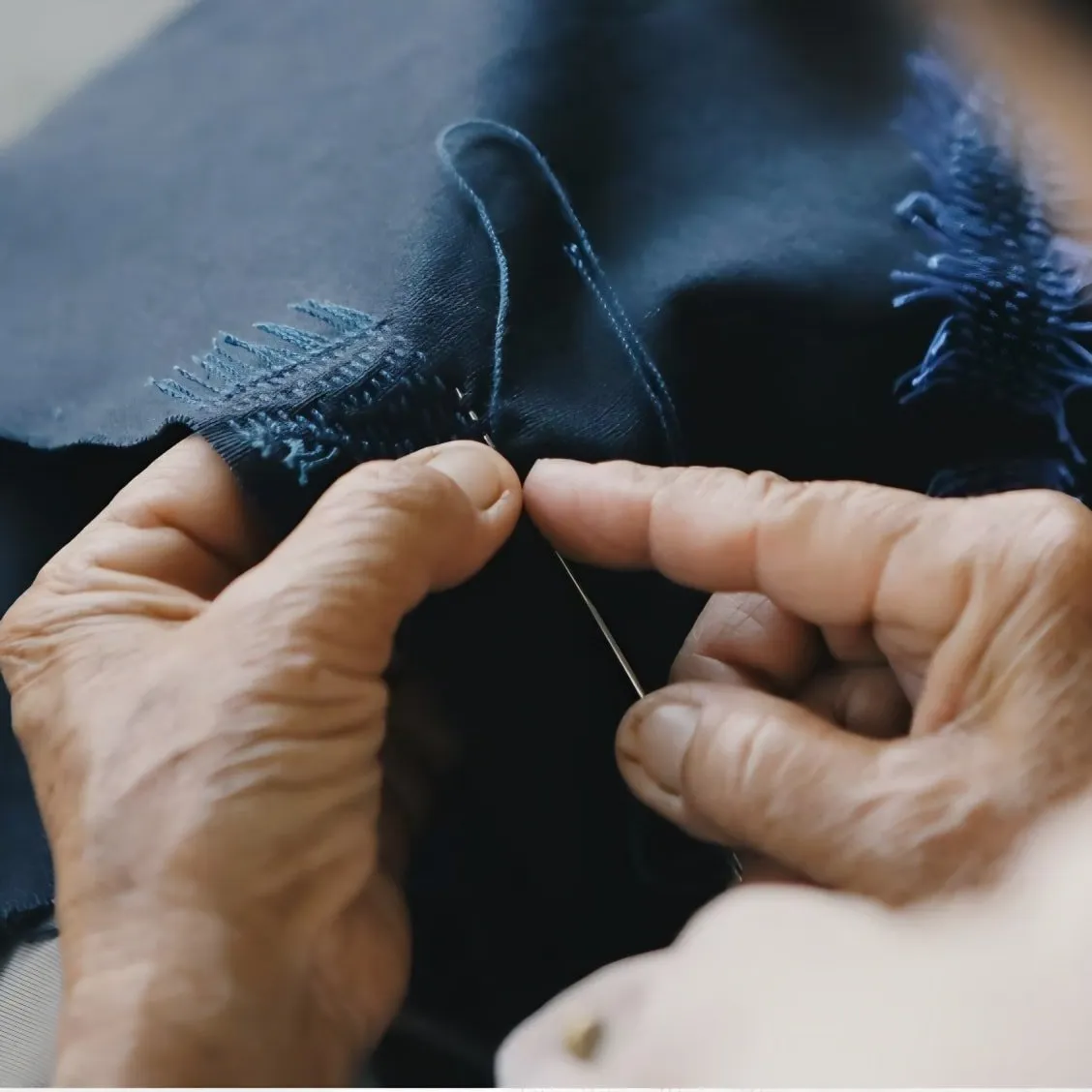
Textiles are one of Thailand’s strongest craft lineages. Traditions such as mudmee (ikat), chok weaving, brocade patterning, and natural-dye work remain central to regional identity. Many patterns record local histories — geometric repeats tied to specific villages or colors that reflect seasonal resources.
The Queen Mother’s preservation work helped stabilize these communities, giving weavers opportunities to formalize their skills while keeping regional styles intact. Weaving remains a blend of artistry and discipline: tension control, counting systems, and pattern memorization happening simultaneously on wooden looms.
Where to experience it:
- Queen Sirikit Museum of Textiles (Bangkok): Inside the Grand Palace complex, the museum showcases royal textiles, regional weaving traditions, and conservation work linked to SUPPORT projects.
- Chonnabot (Khon Kaen): Known nationally for mudmee silk; local weaving groups produce and sell handwoven fabrics, and the area has been promoted as a “Thai silk town.”
- Ancient Yok Thong Silk Weaving Village, Ban Tha Sawang (Surin): A weaving village famous for intricate brocaded silk inspired by ancient court textiles, with workshops open to visitors.
- Bang Sai Royal Folk Arts and Crafts Centre (Ayutthaya): Hosts training and demonstrations in traditional silk weaving and related crafts under the SUPPORT Foundation.
- Jim Thompson Farm (Nakhon Ratchasima). Seasonal silk cultivation and hands-on dyeing classes.
Thai Pottery & Ceramics
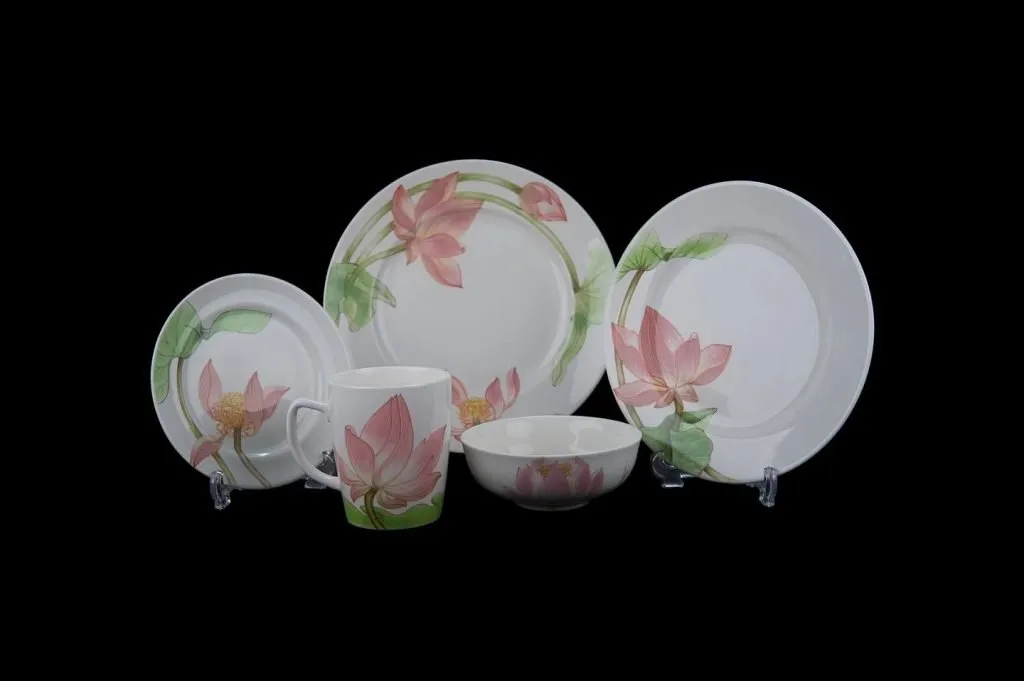
Thai ceramics bridge utility and ornament. Forms range from stoneware used in everyday kitchens to painted or etched pieces that signal court aesthetics. Clay dictates the pace — when it can be shaped, carved, or fired — and each stage requires different skills. Firing techniques, glaze chemistry, and kiln temperature control give each region its own ceramic identity.
Ceramics continue to thrive because the knowledge is cumulative and communal: potters, painters, and kiln specialists often work in the same cluster, refining each batch through shared experience.
Where to experience it:
- Koh Kret (Nonthaburi): A riverside island known for its Mon pottery; visitors can walk through villages, watch throwing and firing, and buy traditional terracotta wares.
- Dan Kwian Pottery Village (Nakhon Ratchasima): A long-established clay village producing distinctive reddish-brown stoneware and large jars, with roadside kilns and shops along the main road.
- Celadon and Ceramic Studios in Chiang Mai: Well-known celadon factories such as Baan Celadon, Siam Celadon, and Thai Celadon allow visitors to tour workshops, observe production stages, and browse on-site showrooms.
- SACIT Exhibitions: National-level craft shows and training programs regularly feature contemporary and traditional ceramics from across the country.
Thai Lacquerware
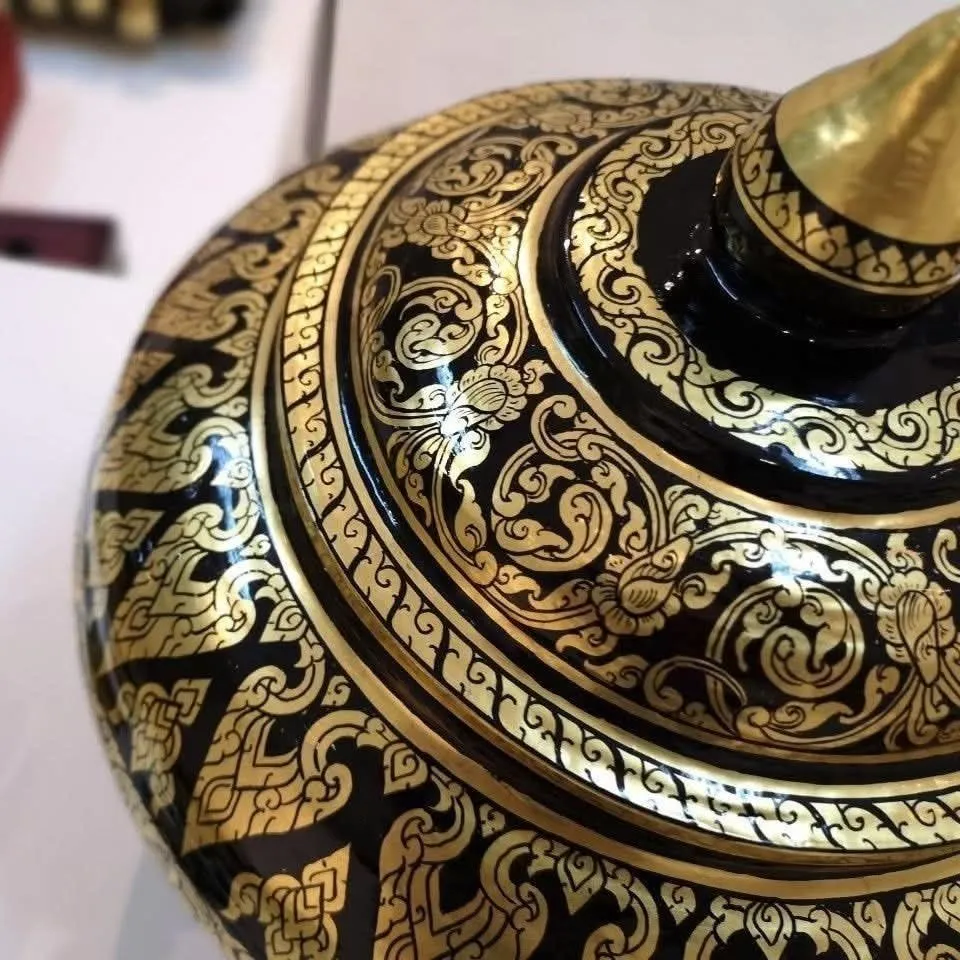
Thai lacquerwork is one of those crafts that looks effortless only because the process is anything but. Layers of sap are brushed on, left to dry, sanded, and reapplied until the surface reaches a depth that can hold gold decoration or eggshell inlay. The technique demands time and repetition, which is why many artisans describe lacquer as a relationship more than a material.
The style most associated with the North (smooth black lacquer with patterned inlay) remains a major cultural marker. It survives because artisans have kept the slow methods intact even as audiences change.
Where to experience it:
- Chiang Mai’s Old City and Baan Tawai: Lacquerware shops and workshops in Chiang Mai and nearby Baan Tawai sell and, in some cases, demonstrate traditional gilded and eggshell-inlay lacquer.
- Lanna Folklife Centre (Chiang Mai): Regional museums like Lanna Folklife Centre in Chiang Mai highlight northern lacquer alongside other court and temple arts.
- SACIT Exhibitions and Master-Artist Showcases: National craft fairs and SACIT programmes regularly feature lacquer masters demonstrating inlay and finishing techniques.
Thai Metalwork & Nielloware
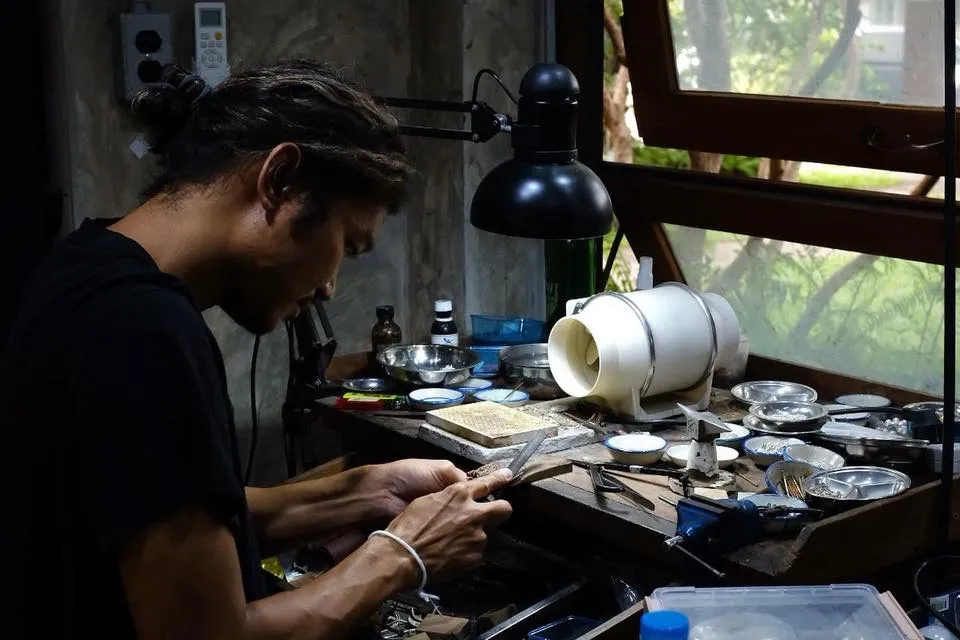
Metalwork in Thailand spans ritual blades, brass utensils, and decorative objects, but niello is the craft that carries the strongest sense of lineage. Artisans carve patterns into silver, fill the recesses with a dark alloy, then polish until the metal takes on a layered, almost graphic contrast. It’s technical, laborious work that depends on precision and patience.
The craft persists because families have kept the techniques intact across generations, and because the finished pieces still feel unmistakably tied to place.
Where to experience it:
- Nakhon Si Thammarat: Long known for silver nielloware, with shops and small workshops producing bowls, jewelry, and ritual objects.
- Southern Metalworking Communities: Silversmiths and niello artisans in and around Nakhon Si Thammarat continue to train younger makers in traditional patterns and alloys.
- SACIT Exhibitions: Master metalworkers and niello artisans are included in SACIT’s network and often demonstrate at national craft events.
Thai Leatherwork & Shadow Puppetry
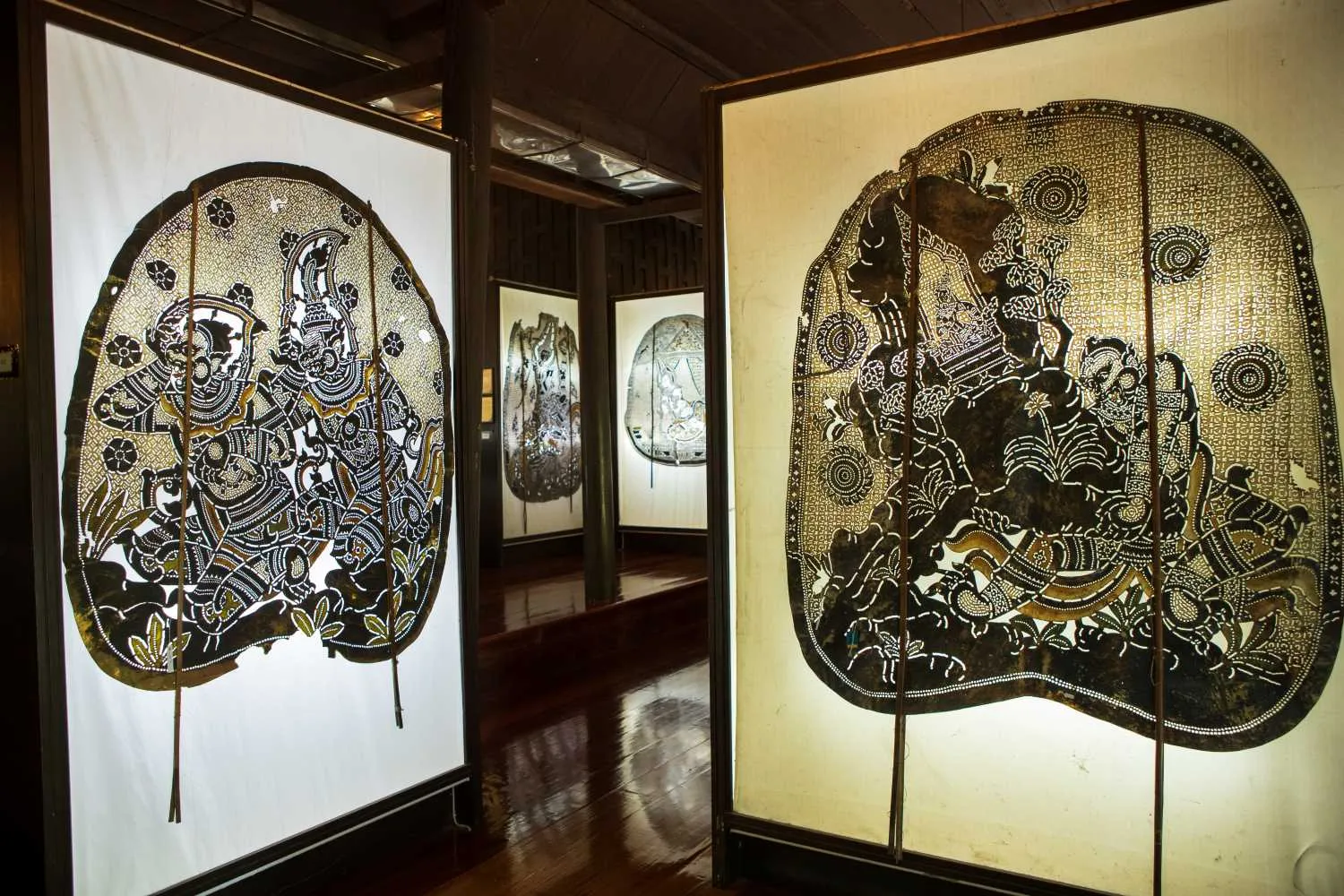
Leatherwork has two parallel lives in Thailand: everyday goods and nang yai, the large-format shadow puppets carved from treated cowhide. The puppets are cut, punched, and painted by hand, each one an architectural object meant to cast a clean silhouette on the backlit screen.
What keeps the craft alive is the collective nature of the work. Pattern makers, carvers, painters, and performers often coordinate in the same space, maintaining a shared vocabulary of forms.
Where to experience it:
- Wat Khanon Nang Yai Museum (Ratchaburi): A temple museum dedicated to nang yai, with historic puppets on display and regular weekend performances and demonstrations.
- Shadow Puppet Communities in the South: Provinces like Nakhon Si Thammarat and Phatthalung maintain nang talung (small shadow puppet) troupes and carving traditions.
- Small Leather Studios in Bangkok and Regional Towns: Workshops producing belts, bags, and small goods sometimes incorporate traditional carving or tooling techniques for visitors to see.
Saa Paper & Decorative Paper Crafts
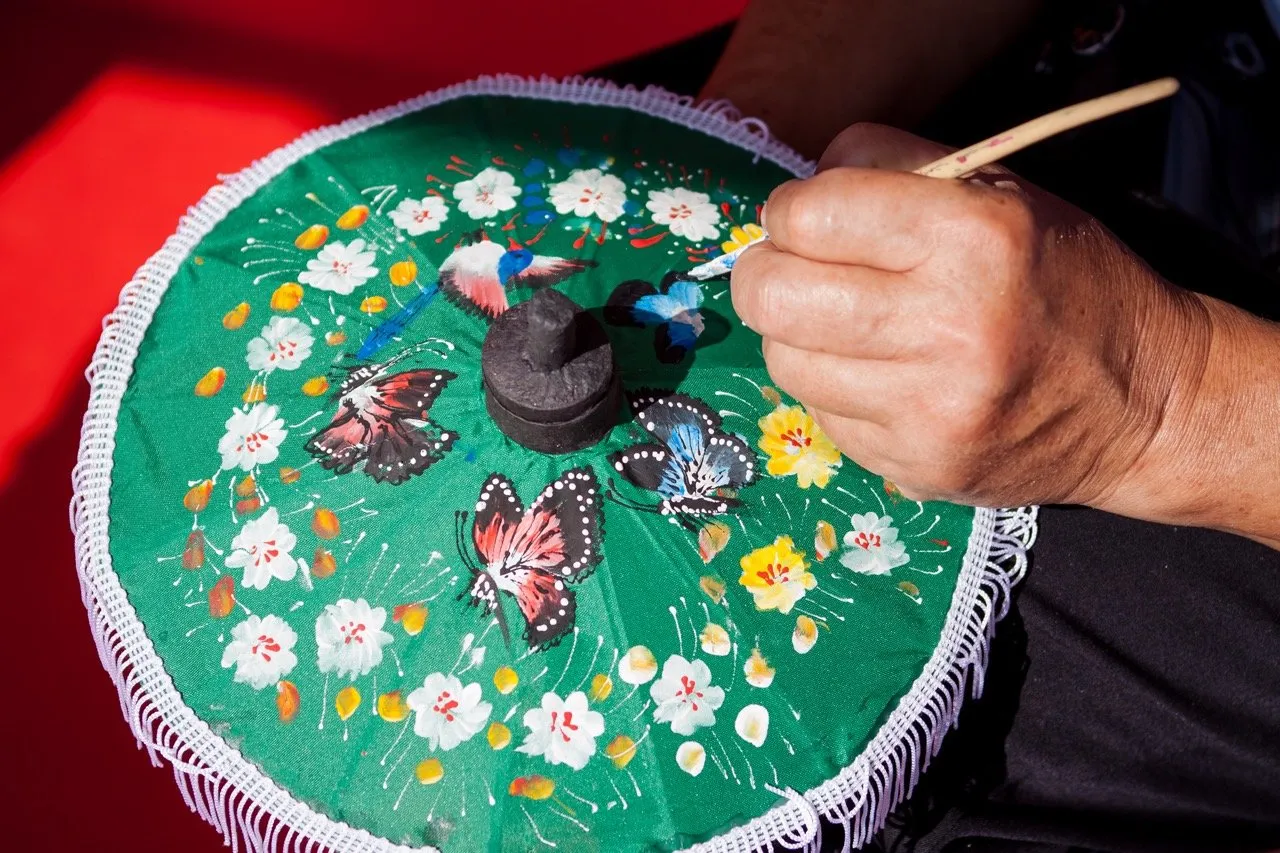
Saa paper starts with mulberry bark that’s soaked, pulped, and spread into thin sheets. The process is straightforward, but the variations — layering, dyeing, pressing petals or fibers into the surface — give the material its personality. It shows up in umbrellas, lanterns, notebooks, and hotel decor across the North.
The appeal comes from its tactility. Saa paper is handmade from start to finish, which means no two sheets behave quite the same.
Where to experience it:
- Bo Sang Umbrella Village (Chiang Mai): Famous for hand-painted umbrellas and parasols made with saa paper; workshops demonstrate paper-making, frame construction, and painting.
- Paper and Craft Studios Around Chiang Mai: Independent studios along the Bo Sang–San Kamphaeng route and in the city run short saa paper workshops, from pulping to sheet forming.
- SACIT Paper-Craft Programs and Fairs: National exhibitions occasionally highlight saa paper and related decorative crafts as part of contemporary design showcases.
Thai Stone Carving & Stoneware

Stone carving in Thailand leans toward functional forms as much as decorative ones: mortars, architectural ornaments, and small sculptural pieces shaped by impact rather than fluid motion. The craft depends on understanding the stone itself: how it fractures, how it resists, how it responds to different chisels.
It continues because artisans inherit not only the tools but the intuition that comes with long practice. Many carve in open-air spaces where the work is both performance and daily rhythm.
Where to experience it:
- Ang Sila (Chonburi): A coastal community widely known for hand-carved stone mortars and pestles, sold in shops along the main road and at local markets.
- Regional Craft Markets and Fairs: Large markets and fairs (including sections of Chatuchak and provincial OTOP events) often feature stone mortars and carved household tools from Ang Sila and other villages.
- SACIT Exhibitions: Stone carvers and mortar-makers are included among the traditional crafts promoted through SACIT’s national craft events and listings.

 Thailand NOW