

Thailand, with its bustling capital, Bangkok, and the surrounding central region, offers a whirlwind of delightful diversions and meaningful experiences. While many are familiar with the city’s gilded temples, vibrant street food scene, chic shopping malls, and active nightlife, you may not have heard of the understated treasure that is Koh Kret.
An island that is rich in history, culture, and craftsmanship, this oasis stands in stark contrast to the busy metropolitan energy of Thailand’s capital, inviting visitors to journey back in time and immerse themselves in the legacy of the Thai-Mon heritage.
Koh Kret: A Pottery Haven Preserves its Thai-Mon Heritage
1. The man-made origins of Koh Kret
2. The Mon settlement of Koh Kret
3. The revival of Koh Kret island
4. A fascinating cultural detour
The man-made origins of Koh Kret
Koh Kret’s birth was the result of an 18th-century river engineering project. In 1722, during the Ayutthaya era, the Om Ket Canal was dug as a “shortcut river” or kret.
By the reign of King Rama V (1868–1910), the tide had enlarged the canal, creating an islet that was named “Koh Salakul” in honor of the Salakul Temple. As the surrounding land was organized into the district of Pak Kret (literally, “mouth of the shortcut river”), the islet came to be known as “Koh Kret.”
This small, mostly man-made island stands as a testament to the important relationship that Thailand has with its rivers.
The Mon settlement of Koh Kret
What makes this island truly special is its people. Most of Koh Kret’s residents are descendants of the Mon ethnic group, who were granted permission to settle on the island during the reign of King Taksin (1767–1782), and once again during the Rattanakosin era in 1815. The Mon people hail from the Mon state in southern Myanmar.
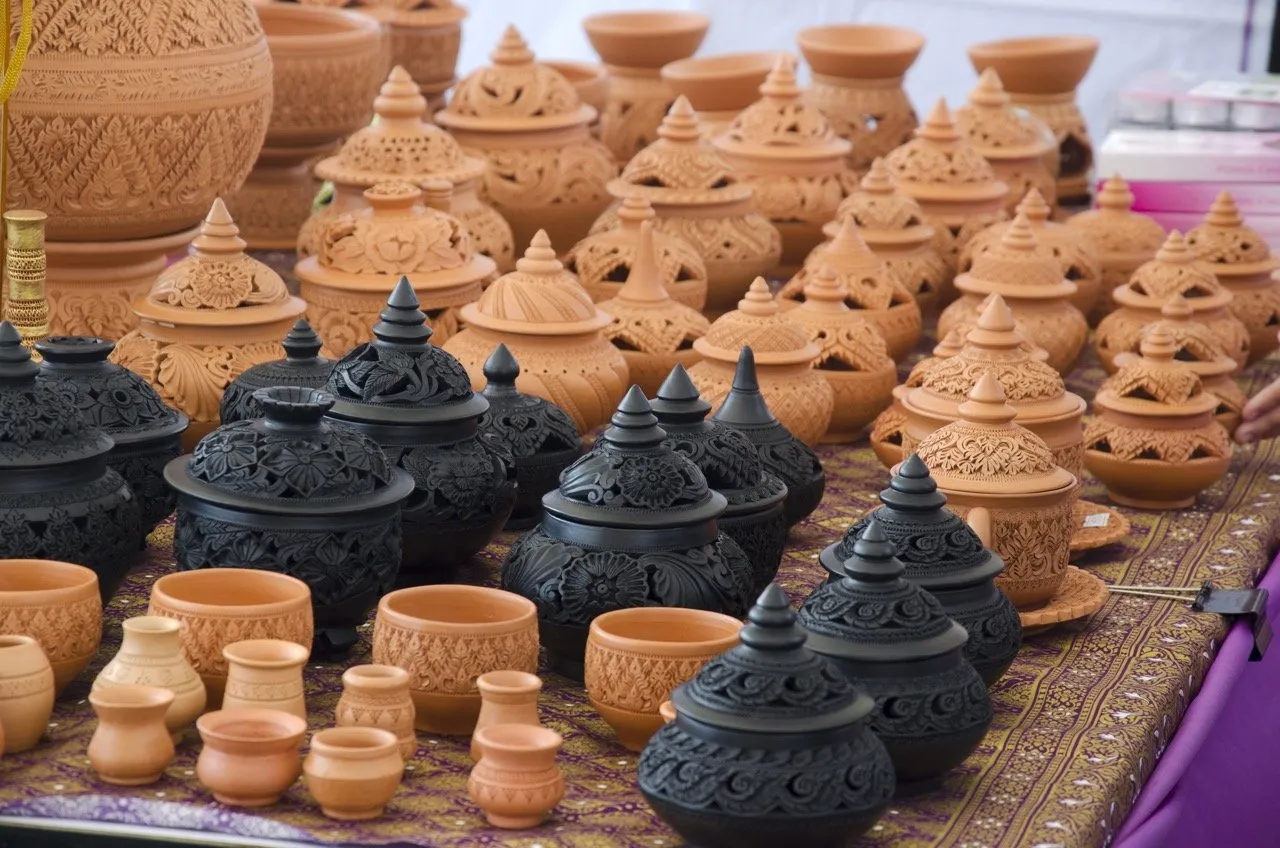
One of the most celebrated aspects of the Mon people’s heritage is their intricate pottery. This ancient craft has been passed down through the generations and has become synonymous with Koh Kret. Crafted with precision, Mon-style pottery can feature one or a combination of several patterns inspired by nature, including lotus blossoms, leaves, and “Kranok,” a triangular flame motif.
“Distinctive for its use of terracotta clay and beautifully carved patterns, Koh Kret pottery differs in shape from pottery found in other places. Koh Kret pottery is also known for its sturdiness and durability, lasting for a long time,” said Phongphan Chaiyanil, the owner of the Baan Din Mon home-studio on Koh Kret and a “Craftsmanship Descendant” of a Pottery Craft Master as designated by the Support Arts and Crafts International Centre of Thailand (SACICT).
Originally, typical Mon pottery was produced mainly to provide necessary earthenware for household goods. However, the advent of more malleable materials such as plastics made earthenware obsolete — a devastating impact on the ceramics cottage industry.
“My grandma made jars, basins, and mortars during her time,” said Surat Buahiran, head of Koh Kret’s Pottery Handicraft Group. “And now we have technologies to replace these kinds of things. Earthen jars have been replaced by big steel tanks, so the demand for earthen jars has declined…and then came aluminum and plastic basins so we were left with only mortar production.”
Koh Kret ceramics would also suffer shocks from natural calamities like extreme flooding and climate change. Nonetheless, these artisans have continued to adapt their craft to new economic demands, including the behemoth that is Thai tourism.
The revival of Koh Kret island
Today, Koh Kret has a thriving local community where visitors can learn to make Mon-style ceramics, co-creating special keepsakes to commemorate the experience. Thai-Mon artisans have been able to keep their craftsmanship alive by sharing it with people from all over the world — albeit with a few modern twists.
“Former pottery factories have been repurposed into museums, collectively shaping Koh Kret’s identity as a ‘culture island’ and ‘pottery village,’” Phongpan explained. “The island is easily accessible and offers opportunities for walking and cycling, making it an ideal place to visit for a one-day trip or an overnight stay.”
While the remnants of “turtleback stove” kilns can be seen throughout Koh Kret, many potters have upgraded to more efficient electric or gas kilns. New ceramic products like lampshades and aromatherapy oil burners as well as a pivot to more modern, understated patterns have helped Mon artistry to remain relevant in Bangkok’s cultural landscape.
Kultirat Meesaiyati, the designer assigned to SACIT’s “Sustainable Crafts” project to commercialize Koh Kret pottery, shared some insight into the new designs developed in partnership with the local community.
“We based everything on the simplicity of the products and their functions as utility containers, just as they have been doing for centuries,” Kultirat said. She added that project participants also adopted the pit-firing technique, creating blackware pieces in a stark departure from the usual orange.
After throwing clay at the potter’s wheel, visitors can check out the bustling weekend market and enjoy traditional Thai drinks and dishes like Khao Chae served in the island’s signature terracotta pieces. Beer connoisseurs may be pleasantly surprised to find that the island is also home to the homebrewing pioneer that is Chit Beer (🇹🇭).
A fascinating cultural detour
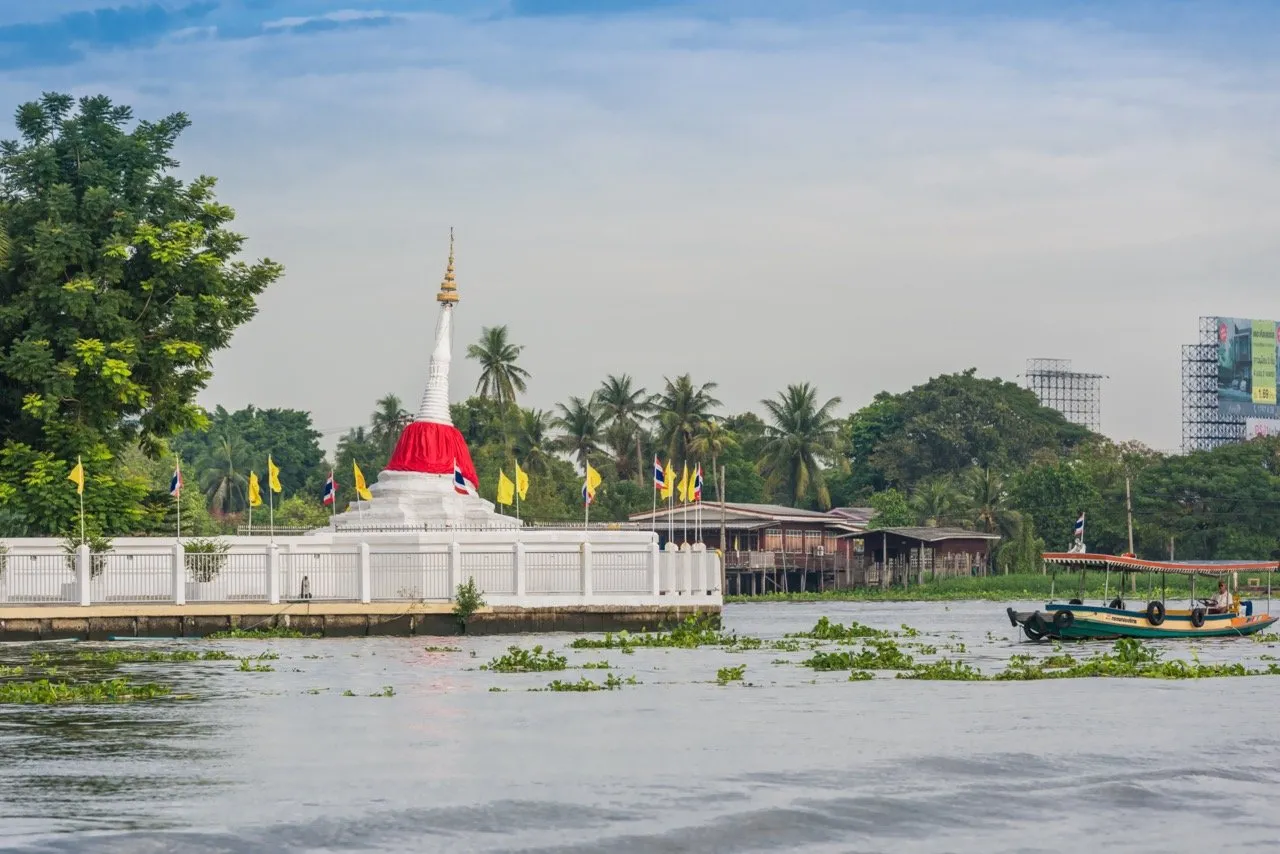
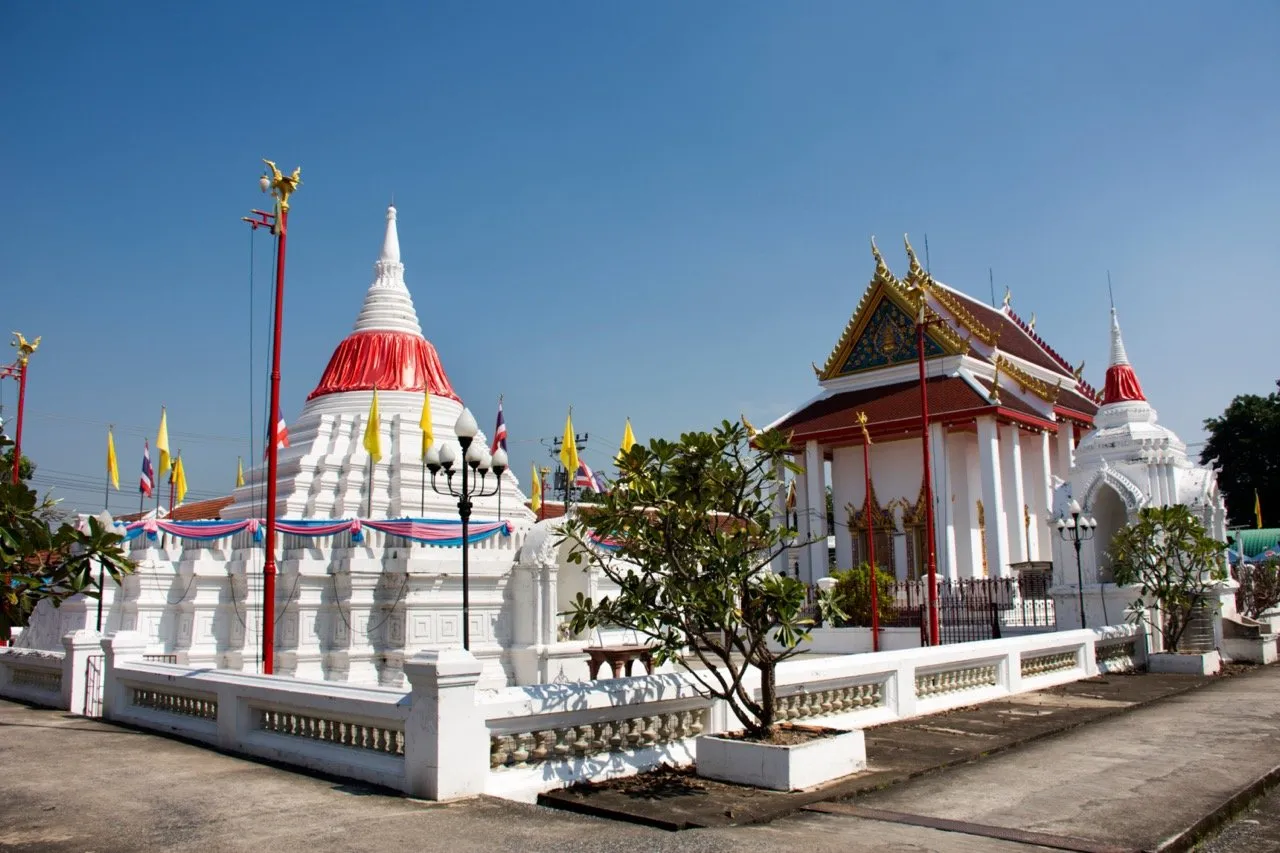
Left to right: Wat Poramai Yikawat, Source: mai111 / Shutterstock.com and Wat Sanam Nuea, Source: Anirut Thailand / Shutterstock.com
Located conveniently close to Bangkok, Koh Kret can provide travelers and urbanites alike with a much-needed break from the city. Getting there is as easy as a ferry ride from the piers at Wat Poramai Yikawat or Wat Sanam Nuea. As the names suggest, these are two of several temples that dot the island, including its previous namesake Wat Salakun. The best way to get around is by renting a bicycle, which makes Koh Kret low-key amazing as a cycling tour.
Koh Kret may be a quick getaway for some but can offer a lot more to those in search of an experience off the beaten path and a chance to connect with a unique community — one that’s tied together by their ancestral craftsmanship.
As you continue to explore Thailand’s ever-evolving landscape, consider making time in the itinerary for Koh Kret. Whether you enjoy educational travel, like to support local businesses, or are a cultural traveler in search of an off-beat destination, Koh Kret promises a unique and enriching experience.
Koh Kret is home to a majority of Mon people (Thai-Mon ethnic group), which has led to the emergence of numerous customs and cultures in the area. The most prominent custom, and what brought fame to Koh Kret, is its pottery. Distinctive for its use of Terracotta clay and beautifully carved patterns, Koh Kret pottery differs in shape from pottery found in other places. Koh Kret pottery is also known for its sturdiness and durability, lasting for a long time.
Koh Kret is a geographical island located in the middle of the Chao Phraya River, which originally formed from the excavation of the canal to shorten boat travel distances in the past. Initially known for its pottery production, Koh Kret has transformed into a tourist destination over the last 200 years, with pottery now selling as souvenirs. Local residents have adapted by selling food and snacks to accomodate tourists, while former pottery factories have been repurposed into museums, collectively shaping Koh Kret’s identity as a “Culture Island” and “Pottery Village.” Due to its proximity to Bangkok, Koh Kret has become a popular travel destination for both Thais and foreigners. The island is easily accessible and offers opportunities for walking and cycling, making it an ideal place to visit for a one-day trip or an overnight stay.

 Paul Rujopakarn