

Nagesh Singh, India’s ambassador to Thailand, has concluded his tenure in Bangkok, his final official engagement underscoring just how far Thai-Indian relations have evolved from traditional diplomacy to a multi-layered economic partnership.
During a farewell call at Government House on April 7th, Singh met with Prime Minister Anutin Charnvirakul, and both sides reflected on progress across trade, tourism, and energy cooperation. The premier praised the envoy’s active and dedicated service in strengthening bilateral ties, while reaffirming support for continued engagement under his successor.
The meeting also carried forward a familiar theme of momentum as Singh expressed confidence that relations would continue to develop positively under Prime Minister Anutin’s leadership, while also extending an invitation for an official Thai visit to India.
Trade ambitions deepen amid shifting geopolitics
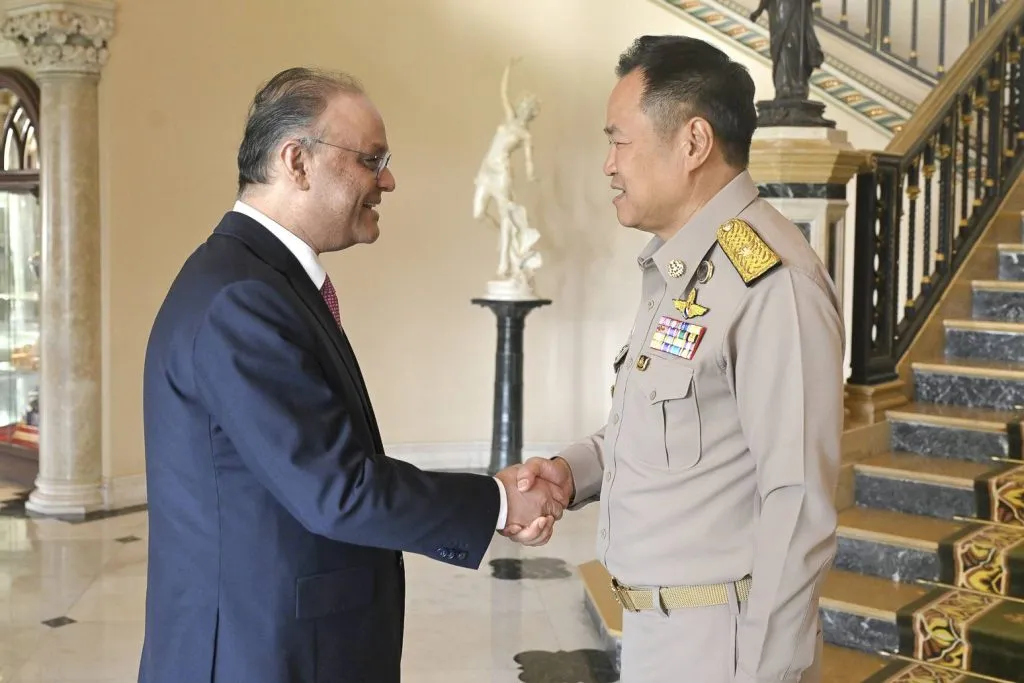
Their meeting comes amid growing urgency to expand economic cooperation. With India’s vast consumer base and Thailand’s strength in agriculture and processing, both countries see clear complementarities.
Bilateral trade has already reached nearly US$19 billion, reflecting what Singh previously described as expanding “economic and commercial ties.” As global supply chains shift and geopolitical tensions reshape trade flows, Thailand is increasingly looking to India as both a market and a strategic hedge.
Thai financial leaders have echoed this shift. With reliance on the U.S. market seen as fluctuating, India’s 1.4 billion people and rising purchasing power offer what Kobsak Pootrakool, Senior Executive Vice-President at Bangkok Bank, described as a “geopolitical advantage.” Opportunities span industries from food and tourism to logistics and automotive manufacturing, with even proposals for joint production models emerging.
Tourism boom drives people-to-people ties
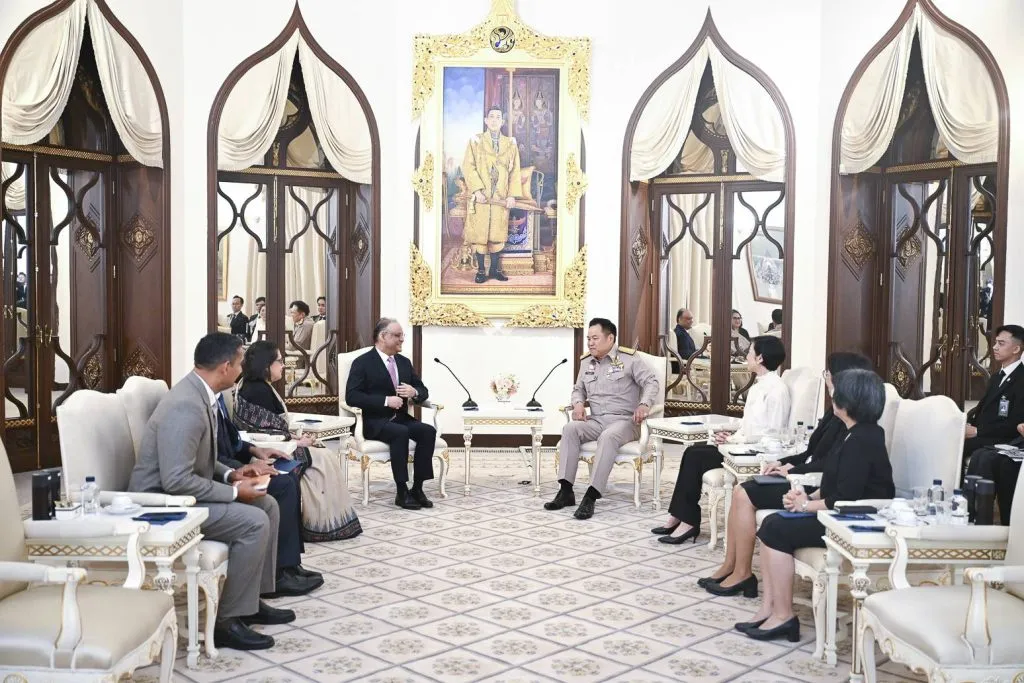
Thailand welcomed over 2.48 million Indian visitors in 2025, a figure driven by strong air connectivity, now exceeding 500 flights per week, and rising middle-class demand. Singh noted that Thailand remains “a highly popular destination for Indian travelers,” a trend which is expected to accelerate as instability in the Middle East redirects travel flows.
“Amid multiple challenges, accelerating the search for new high-potential markets is no longer just an option — it has become a key strategy for Thai tourism today,” said Pattaraanong Na Chiangmai, Deputy Governor for Asia and South Pacific Markets at the Tourism Authority of Thailand (TAT).
Efforts are now shifting toward higher-value segments, from wellness tourism to large-scale destination weddings, which can generate tens of millions of baht per event. The aim is to encourage longer stays, higher spending, and deeper cultural engagement.
A strategic partnership with room to grow
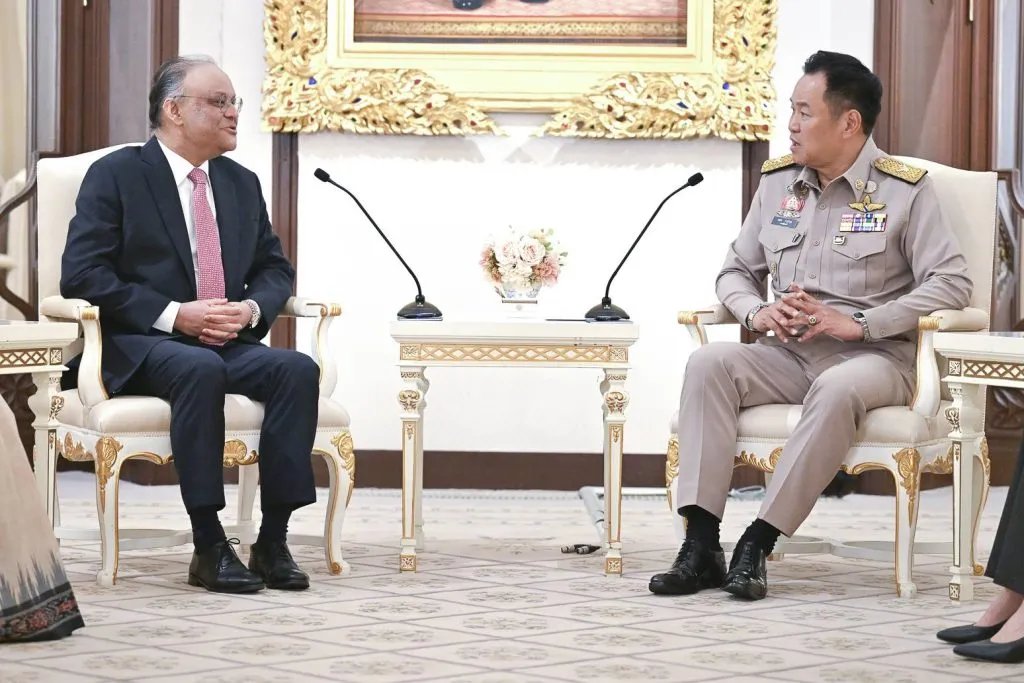
The farewell meeting also touched on energy cooperation, particularly as Middle East tensions continue to test global supply chains. Thai officials emphasized that the situation remains manageable, with measures in place to secure reserves and promote alternative fuels.
Taking a longer view, the most enduring significance might very well be the broader trajectory of bilateral ties. Elevated to a strategic partnership in 2025, Thailand and India now collaborate across trade, security, technology, and cultural exchanges, anchored by what Singh once described as shared civilizational ties.
“We are civilizational neighbors and maritime neighbors, united by the warm waters of the Bay of Bengal,” he said earlier this year, highlighting a deeper historical and cultural kinship running parallel with growing economic links.
As Singh departs, those long-standing ties are increasingly being matched by practical priorities, as both sides focus on sustaining momentum through trade, tourism, and investment.

 Teerin Julsawad
  Thailand NOW