

Thailand has secured a delicious breakthrough in its agricultural trade relationship with Japan, with Japanese authorities agreeing in principle to allow the importation of two additional Thai pomelo varieties. The move is expected to expand market opportunities for growers and strengthen bilateral agricultural cooperation.
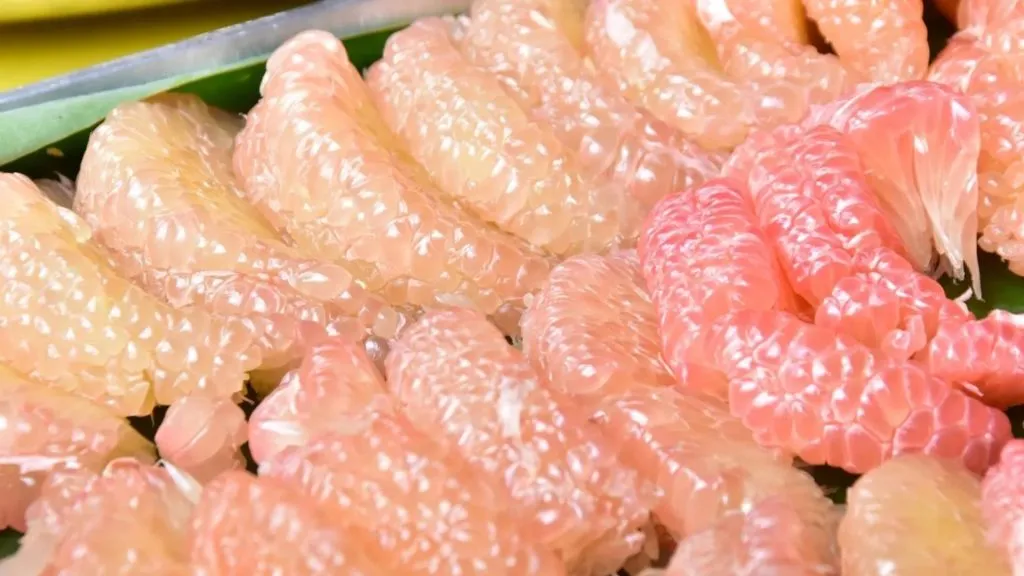
The decision means the popular Khao Nam Phueng (literally, “white honey”) and Thapthim Siam (“Siamese ruby”) varieties will now join Thong Dee (“good gold”), which has been the only Thai pomelo variety permitted in Japan since 2012.
Expanding access to a high-value market
The development follows discussions between Thailand’s Department of Agriculture and Japan’s Ministry of Agriculture, Forestry and Fisheries (MAFF), which agreed to apply the same import conditions already used for Thong Dee pomelos, including Vapor Heat Treatment (VHT) protocols.
According to Rapeephat Chandrasriwong, Director-General of the Department of Agriculture, Japan’s acceptance of the proposal marks a major step toward broadening Thailand’s presence in one of Asia’s most valuable fruit markets. Once Japan completes the necessary regulatory amendments, Thai exporters will be able to ship all three approved varieties within 2026.
For over a decade, Thailand’s pomelo exports to Japan have remained limited, with annual shipments of the Thong Dee variety ranging from just 50 to 150 tonnes. The inclusion of additional varieties could thus significantly increase export volumes and create new income streams for growers.
Targeting both mass and premium consumers
The newly approved varieties offer access to different segments of the Japanese market.
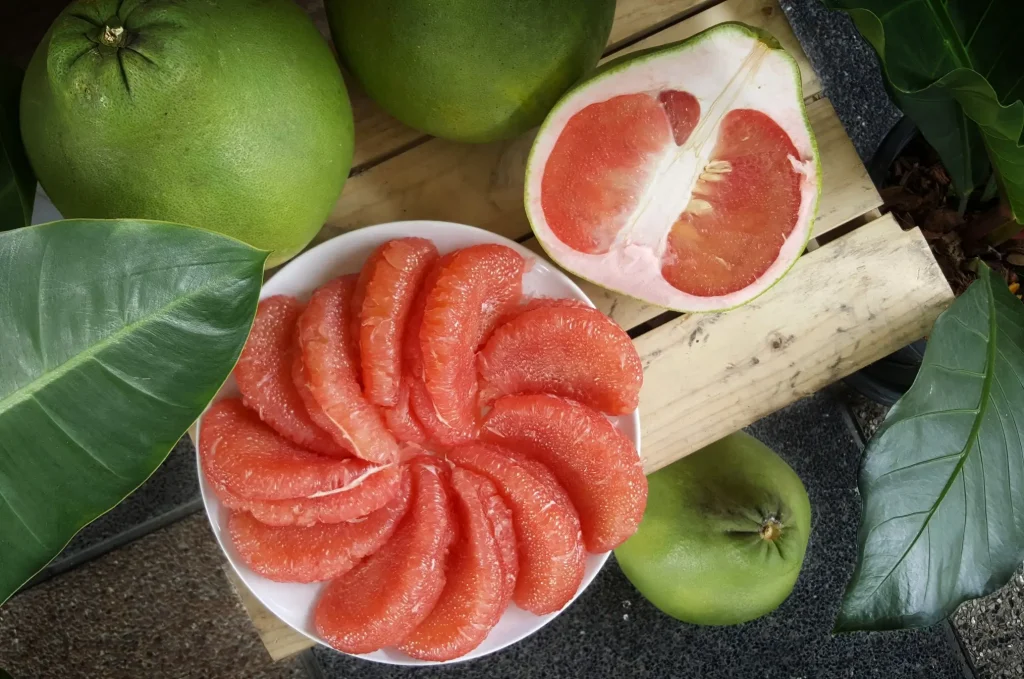
Khao Nam Phueng, a well-known Geographical Indication (GI) product, has an annual estimated production of 50,000–70,000 tonnes nationwide. Thapthim Siam, meanwhile, is produced in smaller volumes of around 1,500–3,000 tonnes per year and is regarded as a premium fruit, appealing to both mainstream and high-end consumers.
Thai officials see strong potential in Japan’s citrus sector, where annual import demand is estimated at 200,000–250,000 tonnes. The latest approval aligns with Agriculture and Cooperatives Minister Suriya Juangroongruangkit’s strategy of opening new overseas markets for Thai agricultural products and moving beyond traditional export destinations.
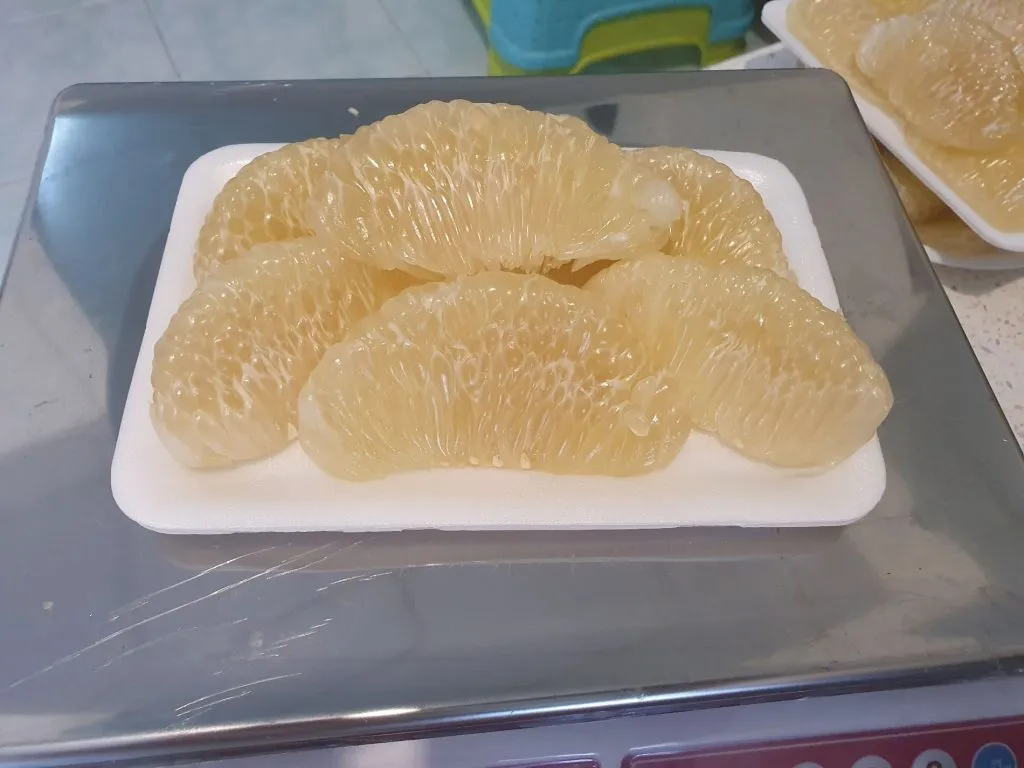
| Thong Dee: Sweet and juicy with a gentle tang, Thong Dee has a fragrant, mellow citrus character and a pleasantly soft bite. Its small white-yellow seeds are usually moderate to numerous, and the fruit is prized especially in Nakhon Chai Si, Nakhon Pathom for its rich, balanced flavor. Khao Nam Phueng: Honey-sweet with a bright sweet-tart edge, Khao Nam Phueng is known for its inviting aroma, juicy flesh, and large but sparse seeds. In off-season fruit, seeds may disappear entirely. Grown mainly in Sam Phran and Nakhon Chai Si, it ripens over about 7–8 months. Thapthim Siam: Deeply delicious, Thapthim Siam stands out for its ruby-red flesh, fragrant sweetness, and vivid, clean flavor with little to no bitterness. Its exceptional taste comes from the rich soils and slightly brackish water of Pak Phanang, which help create its signature aroma and luscious color. |
Months of cooperation culminating in success
Earlier this year, senior officials from Thailand’s Ministry of Agriculture and Cooperatives met with representatives from Japan’s Mie Prefecture, a key agricultural region. Discussions focused on expanding fruit trade, including support for bringing all varieties of Thai pomelos and mangoes to Japanese consumers.
Mie officials expressed willingness to work with national authorities in Japan to facilitate greater access for Thai fruit exports, while both sides explored initiatives to promote agricultural exchanges and strengthen market linkages. For its part, Thailand has reciprocated by approving citrus exports from Japan’s Ehime and Fukuoka prefectures.
MAFF officials are scheduled to visit Thailand later this month to inspect production systems and export certification procedures for fresh fruits, including mangoes, mangosteens, and, of course, pomelos.
The developments signal growing momentum in Thailand-Japan agricultural trade, where a broader partnership is increasingly bearing fruit both diplomatically and commercially, and in this case, quite literally.

 Teerin Julsawad
  Thailand NOW