

For many Chinese families, studying abroad no longer has to mean sending a child halfway across the world.
In recent years, Thailand has become a more visible option for Chinese students and families looking for different educational pathways, from international schools in Chiang Mai and Bangkok to university programs across the country. The reasons are not hard to understand. Thailand is close to China, relatively affordable compared with many Western destinations, and offers a wide range of school and university options.

It also gives families something harder to measure: a different pace.
China’s education system is known for academic discipline and high performance, but it is also highly competitive. For some families, especially those looking beyond a single exam-driven pathway, Thailand offers an alternative that some families perceive as more flexible and internationally oriented.
Why families start looking abroad
A Chulalongkorn University study on Chinese students in Thai higher education found that several push factors influence the decision to study outside China, including academic pressure, competition for university admission, and the importance of the Gaokao in shaping future opportunities.
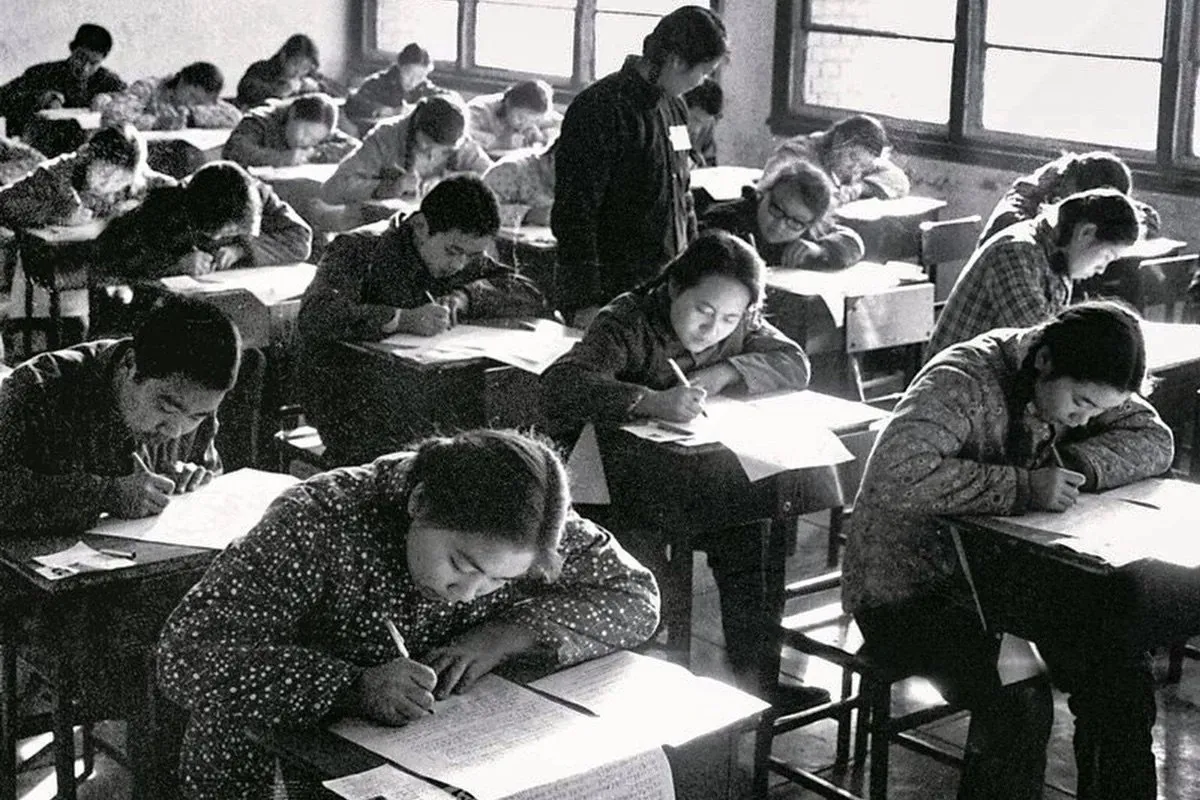
That doesn’t mean every family is rejecting China’s system. For many, the decision is more practical. If a student does not enter a preferred university in China, or if parents want a different kind of learning environment earlier in the child’s education, studying abroad becomes part of the family’s planning.
This is where Thailand becomes interesting. It offers international schools for younger students, English-language and international programs at universities, and a living environment that many families find easier to adjust to than destinations farther away.
Why Thailand feels like a practical choice
Cost is one of the clearest reasons.
The Chulalongkorn study found that lower tuition and living expenses are among the major reasons Chinese students choose Thailand for higher education. Compared with the United States, the United Kingdom, or even some other Asian education hubs, Thailand can feel more attainable for middle-class families.
A similar pattern appears in reporting on international schools. In places like Chiang Mai, some Chinese families are choosing international schools that offer British, American, International Baccalaureate (IB), bilingual, or alternative education models at prices often lower than comparable options in major Chinese cities.
Location also matters. Thailand is close enough for families to travel back and forth, and for parents to visit or relocate more easily. The cultural adjustment can also feel less intimidating, especially for families from southern China, where regional ties with Southeast Asia are already strong.
More options, not just one path

Another pull factor is variety.
Thai schools and universities offer a wide range of programs, including English-language courses, Thai-language learning, business, international trade, hospitality, communication arts, music, and other creative fields. The Chulalongkorn study found that Chinese students in Thailand have traditionally concentrated in areas such as business administration, international trade, management, and Thai language, while interest has expanded into fields like communication arts, fine arts, and music.
For younger students, international schools offer families different curriculum pathways, from exam-focused routes like International General Certificate of Secondary Education (IGCSE) and A-Levels to broader models that emphasize inquiry, language development, sports, arts, and university preparation.
That range is relevant because many families are not only thinking about the next school year. They are thinking about future university applications, language skills, global mobility, and the kind of childhood they want their children to have.
Chiang Mai, Bangkok, and the education lifestyle
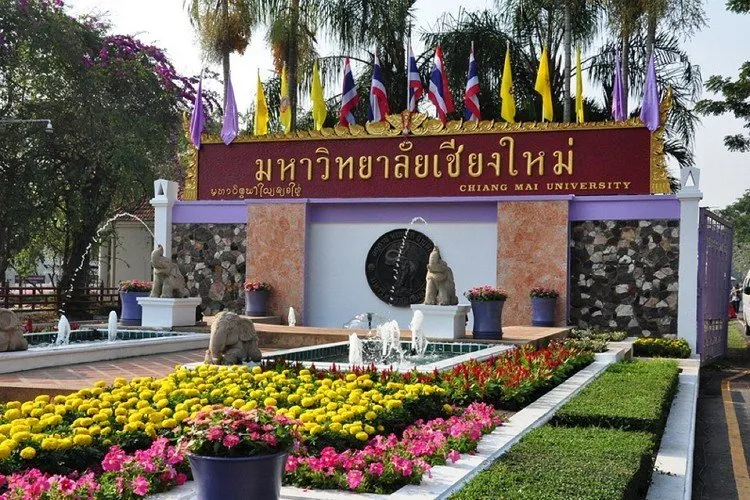
Bangkok remains a major center because of its concentration of schools, universities, transport links, and international communities. For families who want access to a wide range of school choices and city infrastructure, it is often the first place they look.
Chiang Mai has become another important destination, especially for families drawn to a slower pace of life. Reporting on Chinese families in Chiang Mai has highlighted parents seeking international education, lower costs, and a less pressured environment for their children.
The appeal is not only academic. Families are also weighing daily life: housing, safety, traffic, community, nature, and whether children have time for activities outside schoolwork.
That is probably what makes Thailand stand out. It is not being chosen for one reason alone. For many families, it is the combination that works: education options, proximity, cost, lifestyle, and a sense that children can grow in a slightly less compressed way.
Thailand is not the right fit for every student, and families still need to compare schools carefully. Curriculum, language support, accreditation, university pathways, visa requirements, and total costs all matter.
But the broader trend is clear. Thailand is becoming part of the education map for Chinese families who want more than one route forward.

 Paul Rujopakarn