

When people think about the Cannes Film Festival, they usually picture red carpets, premieres, and celebrity photos. But a large part of Cannes actually happens away from the cameras.
Alongside the festival itself is the Marché du Film, one of the world’s largest film industry markets, where filmmakers, distributors, studios, investors, and government agencies meet to pitch projects, negotiate deals, build partnerships, and position their film industries internationally.
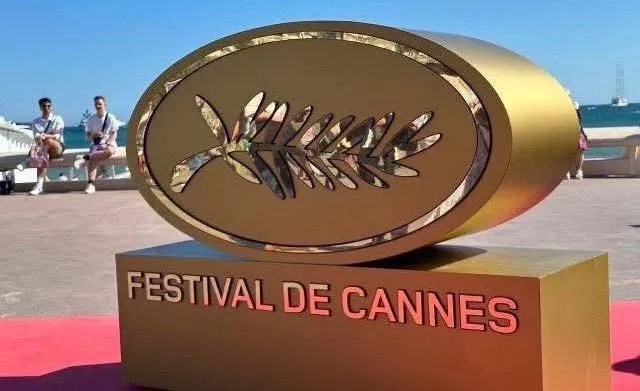
That’s actually the space Thailand has been leaning into this year.
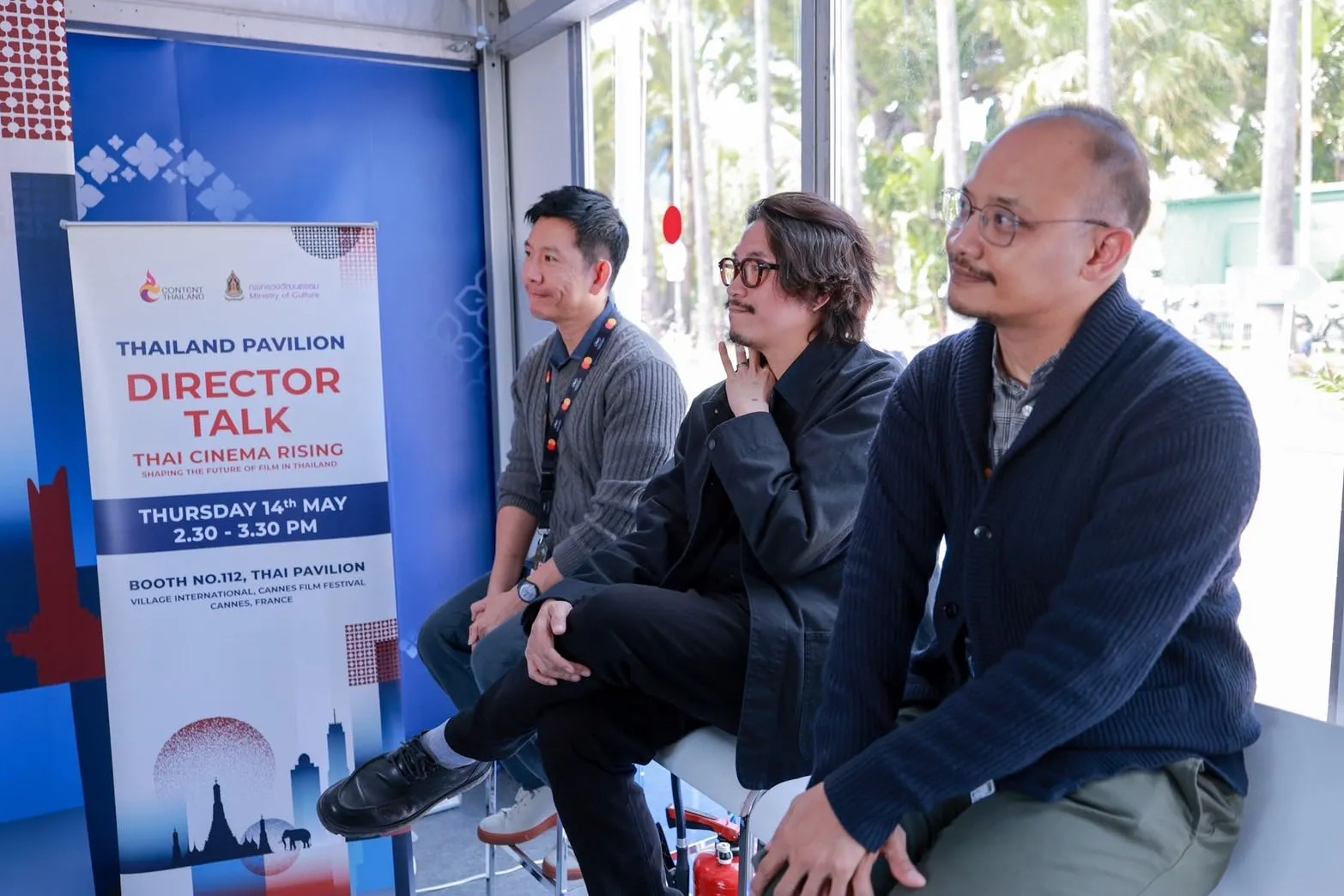
At the 79th Cannes Film Festival, Thailand’s Ministry of Culture hosted a Director Talk session under the theme “Thai Cinema Rising – Shaping the Future of Film in Thailand,” bringing together Thai filmmakers and industry figures to discuss the direction of Thai cinema and its place within a changing global industry.
The session included speakers such as World Film Festival of Bangkok director Donsaron Kovitvanitcha, filmmaker Nattawut Poonpiriya, and director Sompot Chidgasornpongse, among others.
According to Minister of Culture Sabeeda Thaised, the event was intended as part of a broader strategy to strengthen international networks, encourage collaboration, and support the long-term development of Thailand’s film industry.
That larger strategy becomes clearer when looking at Thailand’s overall presence at Cannes this year.
Thailand Pavilion opens at Cannes
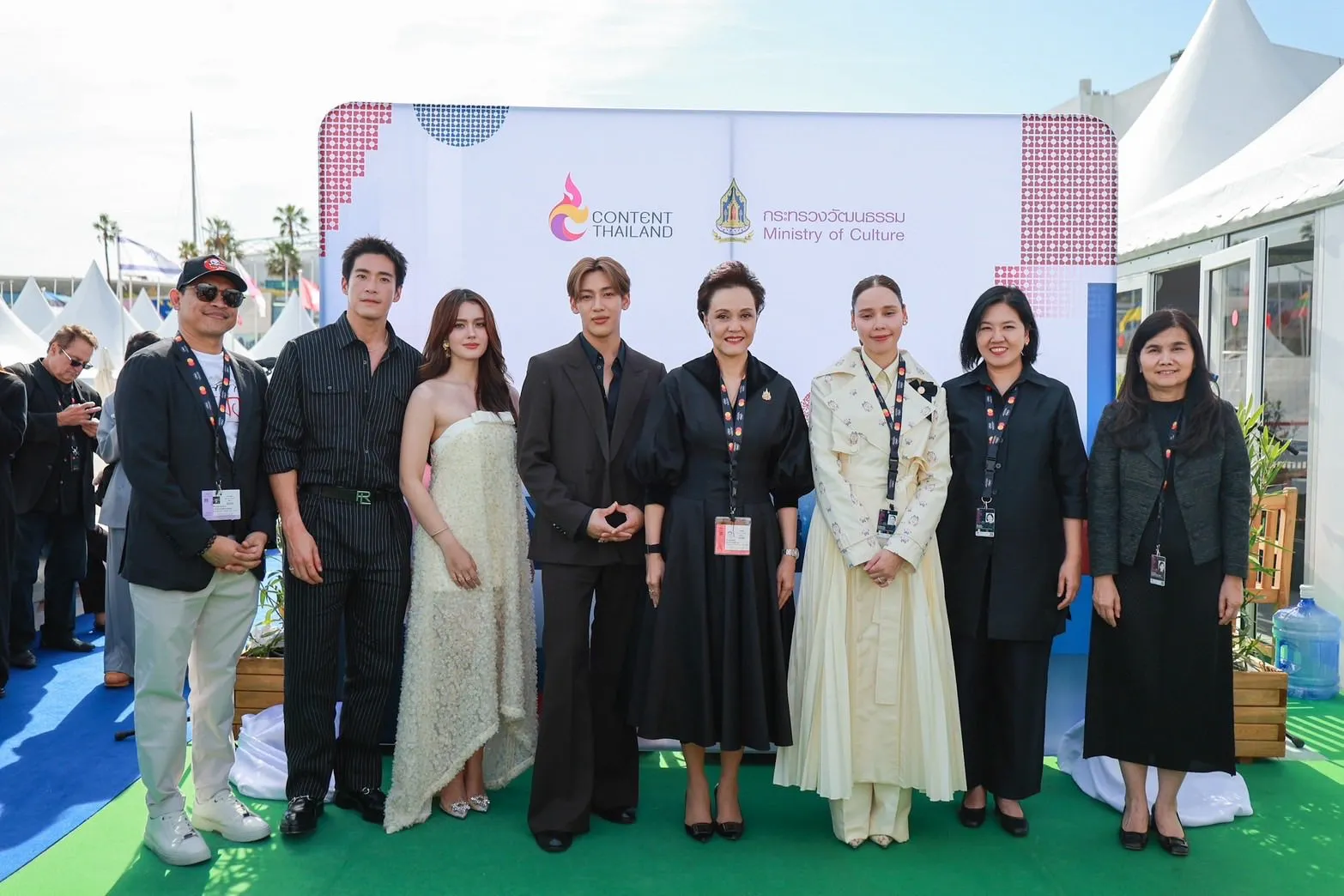
Thailand’s pavilion, running from May 13th to 23rd at Cannes, serves as a meeting point for filmmakers, producers, government agencies, investors, and international industry representatives throughout the festival. Alongside panel discussions and film presentations, it also hosts networking sessions, business meetings, and conversations around international collaboration.
This year’s presence also reflects a wider push under the “Content Thailand” initiative, which positions film, television, and other creative industries as part of Thailand’s broader cultural and economic strategy.
Rather than promoting only individual titles, the approach is increasingly focused on building Thailand’s visibility as a production hub, filming destination, and creative industry ecosystem.
Part of that strategy includes Thailand’s cash rebate program for international productions, which offers incentives for foreign film and television projects choosing to shoot in the country. Combined with established production crews, varied filming locations, and relatively strong infrastructure, Thailand has become an increasingly visible location for international productions in recent years.
That visibility can have effects far beyond the screen itself. Film and television increasingly shape travel behavior, cultural visibility, and global perceptions of place, something tourism agencies and governments are becoming much more aware of.
Thai films, global conversation
Thailand’s presence at Cannes also builds on a film culture that already has international recognition. Alongside the industry discussions and business activity, Thai films are also present within this year’s Cannes ecosystem.
“9 Temples to Heaven” by Sompot Chidgasornpongse was screened in Directors’ Fortnight, while the short film “What Do You Seek in the Dark?” by Tossaphon Riantong was selected for Critics’ Week.
The Director Talk itself focused on filmmaking styles, and also on how Thai cinema can continue adapting within a rapidly changing industry shaped by streaming platforms, shifting audiences, and new production models.
Film as part of a larger creative economy
What ties all of this together is the growing role culture plays within Thailand’s broader economic strategy.
Film is increasingly being positioned alongside fashion, food, festivals, music, and design as part of a larger creative economy ecosystem. The goal is to create industries that generate long-term cultural and economic value.
That shift has become more visible across multiple sectors in recent years, whether through the UNESCO Creative Cities Network, cultural tourism initiatives, or stronger international promotion of Thai creative industries.
At Cannes, that wider approach becomes easier to see. Thailand is presenting its films, yes, but also itself as a place where creative industries can develop, collaborate, and scale internationally.
And in many ways, that’s what these events are really about now. We’re celebrating finished work, but also using that opportunity to build the networks, visibility, and infrastructure that shape what gets made next.

 Paul Rujopakarn