

As geopolitical tensions, trade frictions, and energy shocks reverberate throughout the global economy, Thailand has made a compelling case at the Nikkei Forum APAC 2026 in Bangkok for a different path forward for Asia built on openness, resilience, and deeper regional cooperation.
Key Takeaways
- Nikkei Forum APAC 2026 positioned Thailand as a regional bridge seeking investment in artificial intelligence, robotics, and advanced manufacturing.
- Thailand presented resilient openness as a strategy for preserving trade and investment while strengthening economic security and regional cooperation.
- Deputy Prime Minister and Foreign Minister Sihasak Phuangketkeow said Asia’s future depends on avoiding rival blocs and maintaining open regionalism.
- Thailand aims to act as a middle power by supporting ASEAN centrality, the Regional Comprehensive Economic Partnership, and dialogue between competing powers.
- Deputy Prime Minister and Finance Minister Ekniti Nitithanprapas said the government’s 5T Strategy would promote reform, clean energy, transparency, and public-private collaboration.
A regional vision in a fragmented world
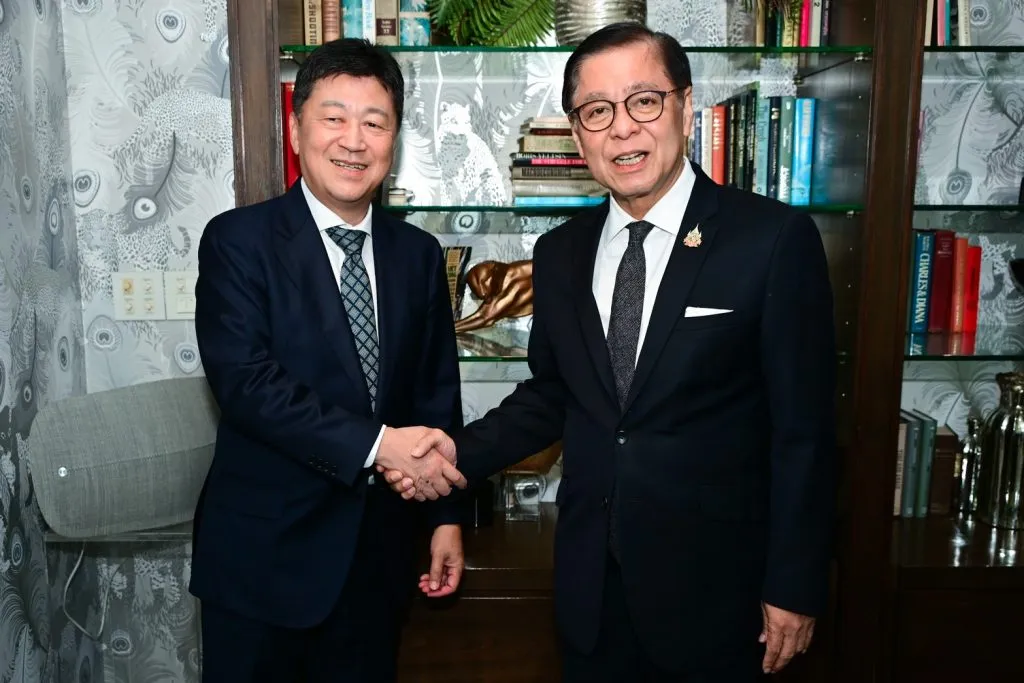
Speaking at the forum, Deputy Prime Minister and Foreign Minister Sihasak Phuangketkeow reiterated the message he first delivered at the Nikkei Future of Asia conference in Tokyo last month that “the future is Asia.”
However, he also made a point in emphasizing that this future is not guaranteed.
Addressing business leaders, investors, and policymakers from across the Asia-Pacific region, Sihasak said globalization is not ending but being “recalibrated,” as governments increasingly weigh national security concerns alongside economic priorities. In this environment, managing risk has become as important as pursuing efficiency.
Rather than allowing geopolitical tensions to divide Asia into competing blocs, he urged countries to embrace what he called “resilient openness” by maintaining open trade and investment while diversifying partnerships and strengthening regional cooperation.
Thailand’s middle-power play
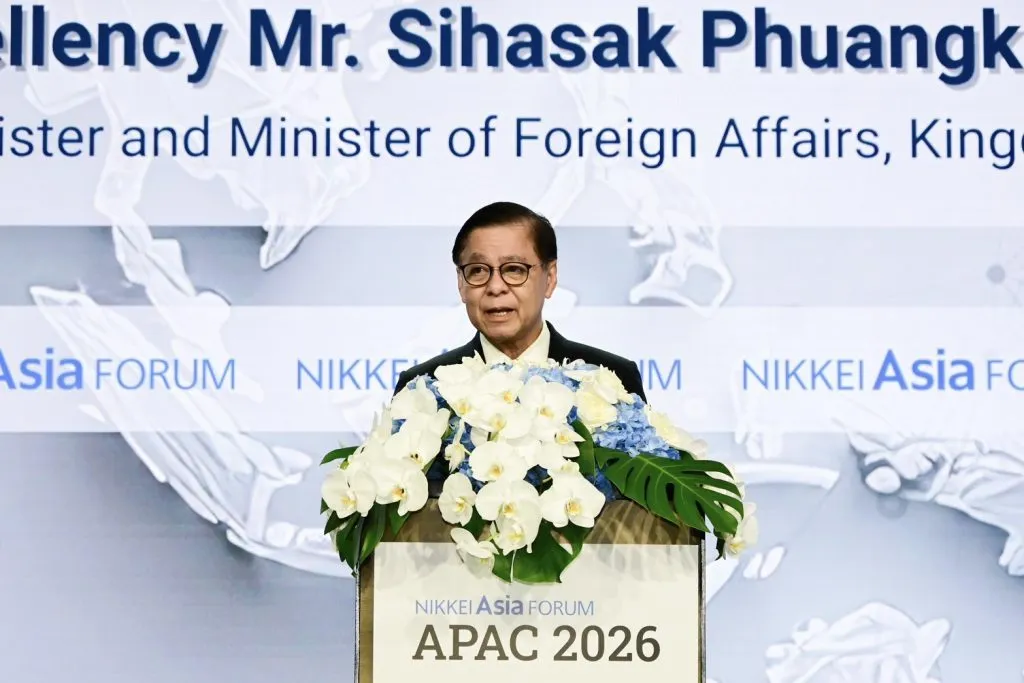
The concept of resilient openness also reflects Thailand’s evolving diplomatic strategy, as Sihasak said Bangkok aims to play a larger role as a middle power. This includes helping to preserve open regionalism and strengthening ASEAN’s role as a platform for dialogue amid growing rivalry between major powers.
“Resilience comes from stronger and more diversified connections, not from isolation,” he said, arguing that future growth will depend on linking technology, capital, innovation, and talent across borders.
Thailand views itself as a bridge between ASEAN and the wider region, using economic diplomacy to create opportunities for businesses and investors. Sihasak highlighted Thailand’s support for regional frameworks such as the Regional Comprehensive Economic Partnership (RCEP) and stressed the importance of keeping ASEAN at the center of Asia’s economic architecture.
He also sought to reassure investors that Thailand remains committed to managing regional challenges, including tensions along the Thailand-Cambodia border, through dialogue and cooperation.
Reform, investment, and AI opportunity
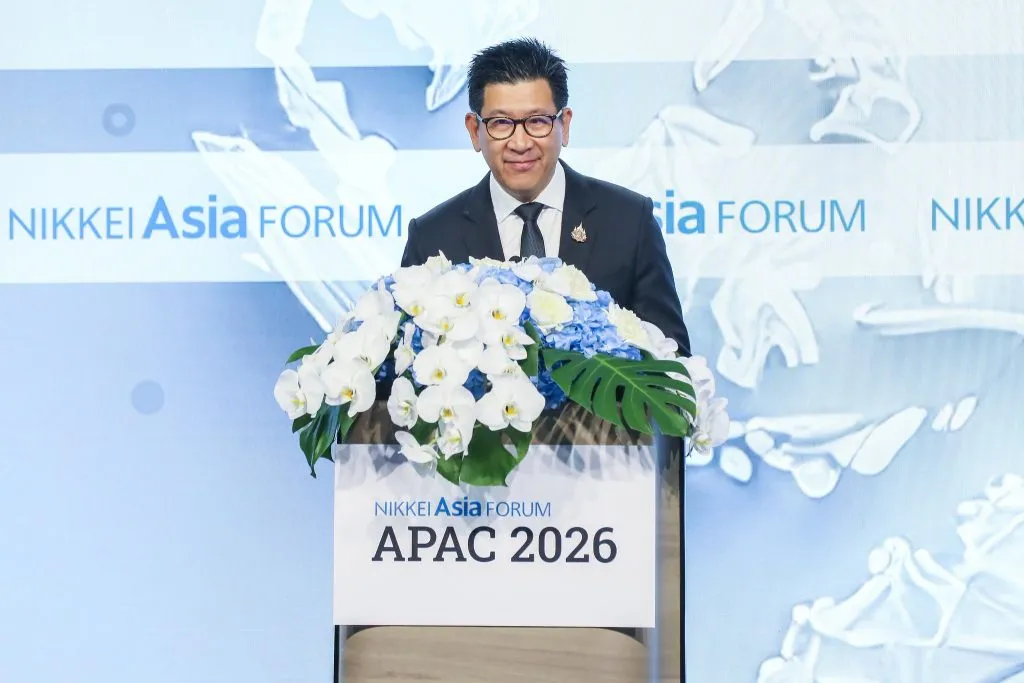
Opening the event, Deputy Prime Minister and Finance Minister Ekniti Nitithanprapas outlined the government’s “5T Strategy,” which focuses on targeted support measures, clean-energy transition, regulatory transformation, transparency and closer public-private collaboration.
The strategy is designed to boost investment, improve competitiveness, and position Thailand for emerging industries, particularly artificial intelligence, robotics, and advanced manufacturing.
Those themes dominated discussions throughout the conference. Executives, economists, and technology leaders debated how Asia can navigate a world shaped by supply-chain disruptions, energy volatility, and rapid advances in AI.
Panelists agreed that Asia remains the world’s primary growth engine, accounting for roughly 60% of global economic growth, but warned that future success will depend on adapting to technological changes and strengthening regional integration.
Shaping the regional conversation
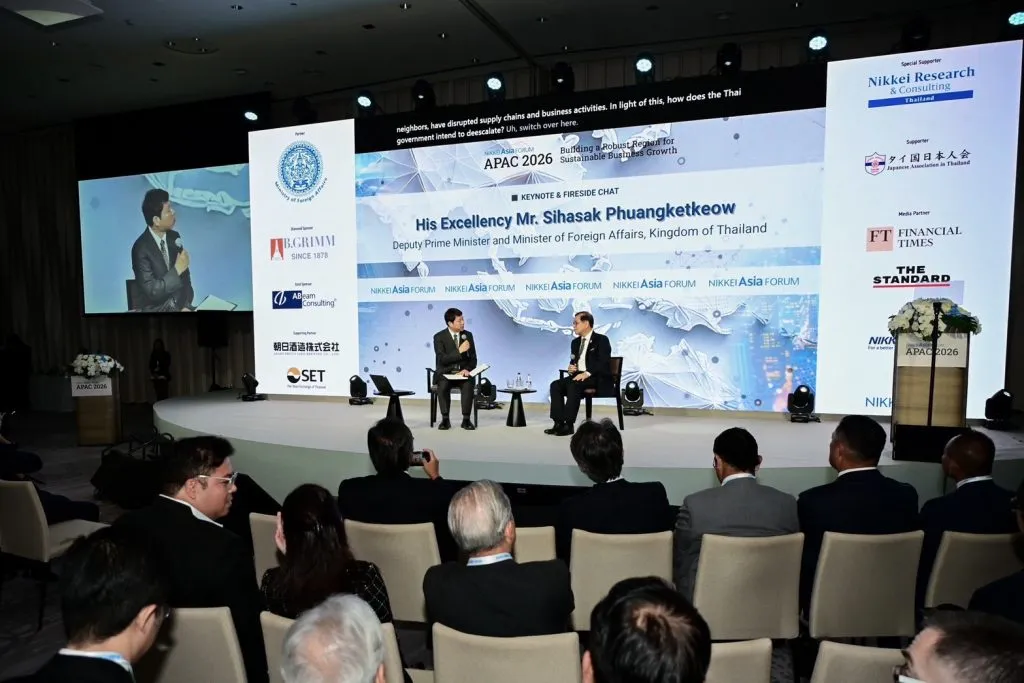
Held in Thailand for the first time and organized in partnership with the Ministry of Foreign Affairs as part of Nikkei’s 150th anniversary celebrations, the forum offered a snapshot of a region wrestling with profound change.
Against that backdrop, Thailand’s message was as much about the region as it was about itself. The question hanging over the discussions in Bangkok was not so much whether Asia can continue to grow (as most participants agreed that it can), but rather if the region can remain open and interconnected while becoming more resilient to shocks.
If the “Asian Century” is already underway, as Sihasak indicated, its next chapter may depend on whether countries can build the trust, institutions, and partnerships needed to navigate a more uncertain world together.

 Teerin Julsawad
  Thailand NOW