Thailand and Vietnam have concluded a landmark state visit by Vietnamese leader Tô Lâm, using the occasion to celebrate five decades of diplomatic relations as well as signal a more ambitious phase in one of Southeast Asia’s fastest-growing partnerships.
The visit, held as both countries commemorate the 50th anniversary of diplomatic ties, was rich in both symbolism and substance amid a broader strategic objective to turn a newly established Comprehensive Strategic Partnership into measurable results.
From Cold War rivals to strategic partners
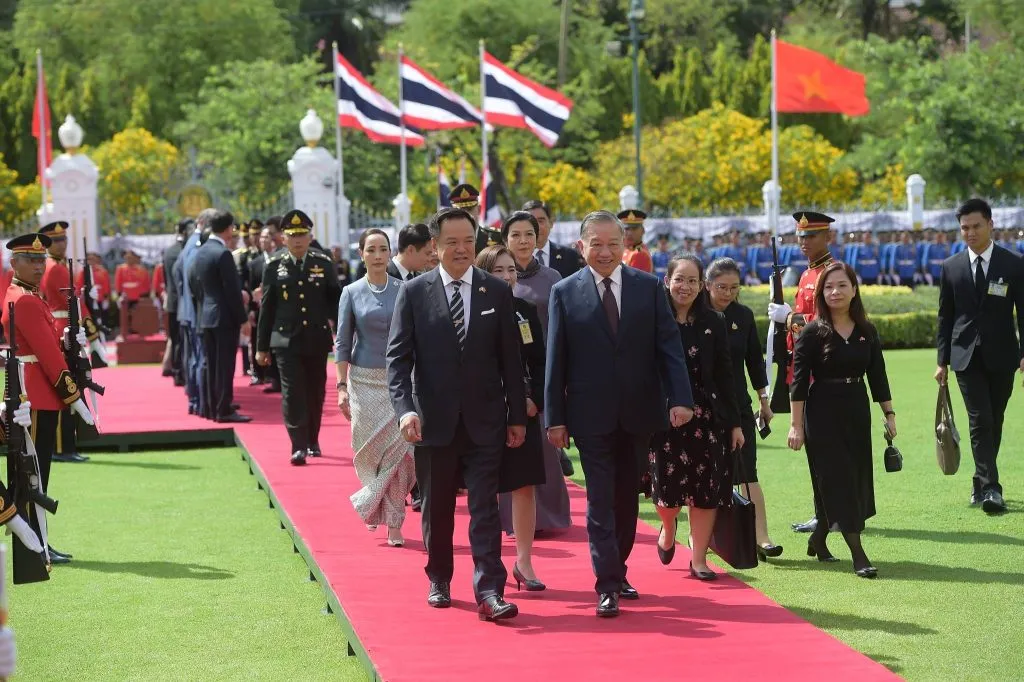
Relations between Thailand and Vietnam have undergone a remarkable transformation since diplomatic ties were established in 1976. Once positioned on opposite sides of regional conflicts, the two nations now rank among ASEAN’s most closely connected economies.
This evolution was on full display during Tô Lâm’s visit. Hosted by Prime Minister Anutin Charnvirakul, the Vietnamese leader held talks focused on trade, investment, security cooperation, and technological innovation. They sides also highlighted the implementation of the “Three Connects” strategy, aimed at linking supply chains, local economies, and green development initiatives.
The visit carried added significance because Thailand became the first ASEAN country to host Tô Lâm in an official capacity since he consolidated Vietnam’s top leadership positions. As both General Secretary of the Communist Party and President, he is widely regarded as Vietnam’s most influential political figure in decades.
Economic cooperation dominates agenda
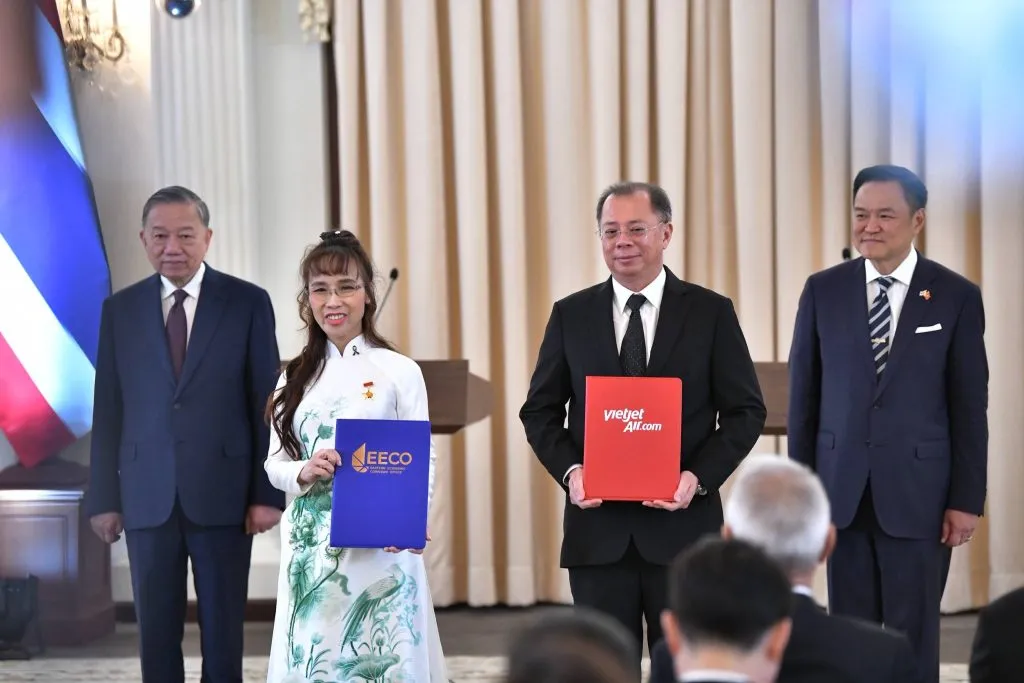
Economics emerged as the dominant theme of the visit, underscoring how a relationship once defined largely by diplomacy and regional security is increasingly being measured by trade, investment, and shared economic opportunity in an increasingly fragmented global economy.
Bilateral trade exceeded US$20 billion in 2025, a dramatic increase from less than US$500 million three decades ago. Thai investment in Vietnam has expanded steadily, while tourism flows now exceed two million trips annually between the two countries.
Leaders from both sides used the visit to reaffirm a goal of increasing bilateral trade to US$25 billion as soon as possible. Business leaders participating in the Thailand-Vietnam Business Forum emphasized opportunities created by shifting global supply chains, with Thailand and Vietnam increasingly viewed as complementary rather than competing destinations for international investment.
Analysts note that stronger integration could help both economies capitalize on regional manufacturing growth while reducing vulnerabilities created by global trade tensions and supply-chain disruptions.
Diplomacy beyond the conference room
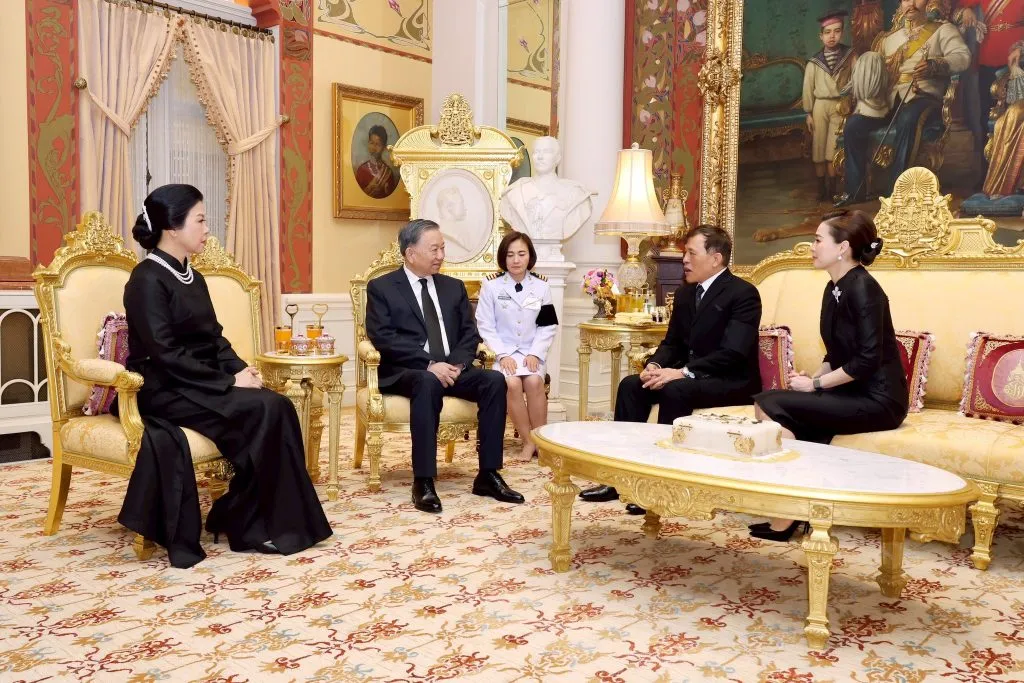
The visit also underscored the broader relationship between the two nations.
Their Majesties the King and Queen of Thailand granted an audience to President Tô Lâm and the First Lady of Vietnam, Ngô Phương Ly, at Amphorn Sathan Residential Hall, reflecting the importance Bangkok attaches to the relationship.
Cultural diplomacy also featured prominently. Ngô Phương Ly visited Wat Phra Si Rattana Satsadaram and the Queen Sirikit Museum of Textiles alongside the Thai prime minister’s spouse, Thananon Niramit, highlighting people-to-people ties that increasingly complement official diplomacy.
With the visit concluded, the challenge now shifts from declarations to implementation. Going forward, the success of this new chapter in Thailand-Vietnam relations will be judged by whether the ambitious promises made ultimately translate into tangible benefits for both nations in the years ahead.