

In the span of just a week, Bangkok’s retail scene got crowded fast.
Three major mall projects opened within days of one another: PLATINUM POP in Ratchaprasong, 1981 Soul & Sold in Ramkhamhaeng, and Central Northville in northern Bangkok. On paper, they belong to different retail groups and target different neighborhoods. However, when viewed through a cultural lens, they point to the same thing: Bangkok is still very much a mall city.
This is a stark contrast to North America, where online shopping grew and eventually cannibalized department store culture. But Bangkok has always used malls differently.
Here, a mall is rarely just a place to buy things. It is where people meet friends, wait out traffic, get dinner, watch a film, attend a pop-up, go to the gym, bring their parents, take their kids, work from a cafe, or simply walk around in air-conditioning for an hour.
That helps explain why developers keep building them, and why each new project now arrives with a sharper identity than the last.
The latest round of mall openings
The three July openings show how specific Bangkok’s mall market has become.
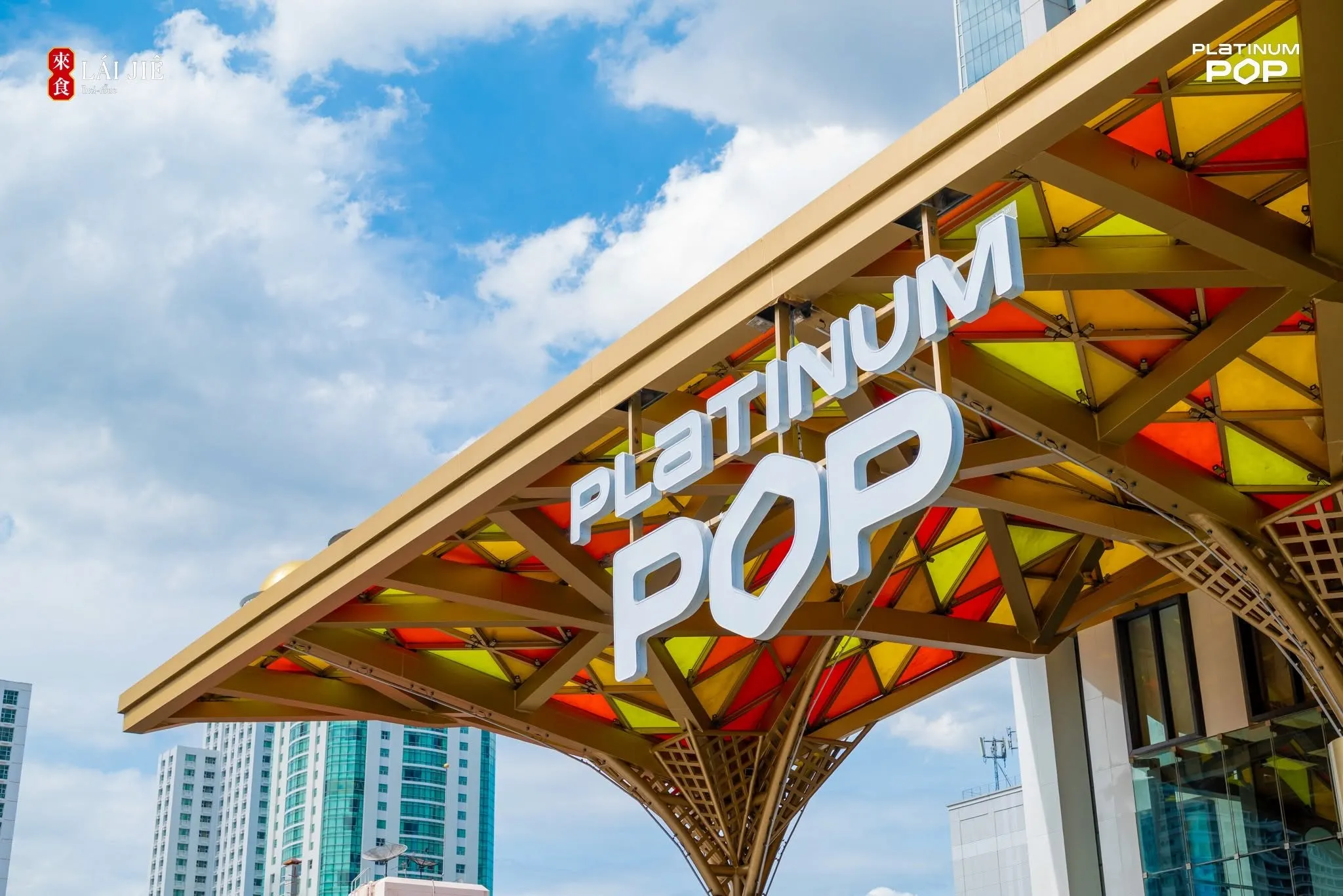
PLATINUM POP is the reworked version of The Market Bangkok, repositioned around food, beauty, and pop lifestyle. Its first phase centers on LAI JIE, an international food zone inspired by Yaowarat, with more than 150 food and drink vendors across the lower floors. It also includes large-format beauty concepts such as EVEANDBOY’s new flagship store and TOFU SKINCARE MEGA MART.
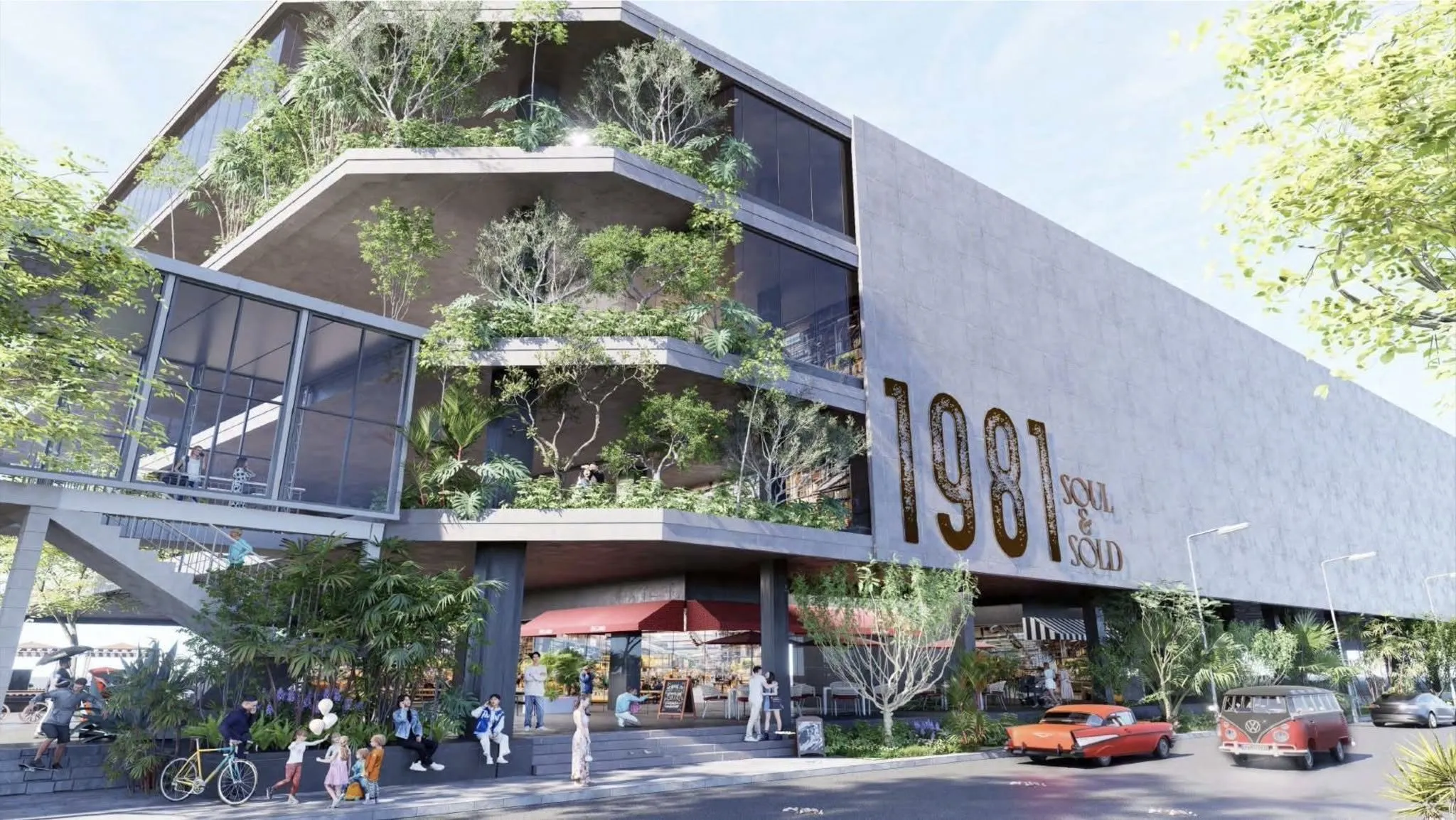
1981 Soul & Sold takes a completely different route. Built from the renovation and rebranding of The Mall Ramkhamhaeng, it leans into nostalgia, culture, fashion, music, collectibles, design, food, and community programming. The point is not only retail, but discovery. It is trying to turn an older mall location into a cultural marketplace with a more specific audience.
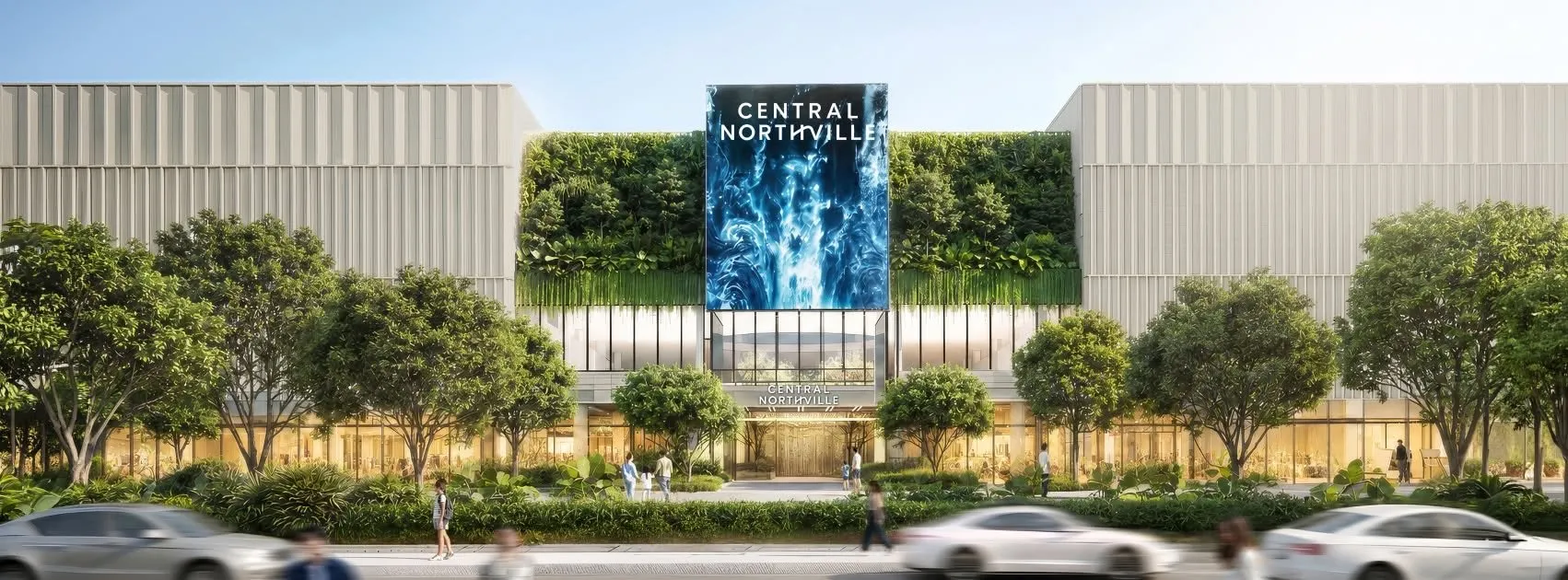
Central Northville is being positioned around wellness and longevity. With fitness, rehabilitation, sports, health-focused retail, restaurants, and community spaces, it reflects how malls are increasingly being built around lifestyle routines rather than shopping alone.
That is the larger shift. Bangkok’s newer malls are trying to become destinations with a reason to exist.
Bangkok’s mall race did not start this year
The July openings are part of a much longer retail cycle.
In December 2023, The Mall Group opened EmSphere in Phrom Phong, completing the EM District alongside Emporium and EmQuartier. The project brought retail, dining, entertainment, a downtown IKEA, and a large live-event venue into one of Bangkok’s most visible commercial corridors.
In 2024, One Bangkok began opening as a major mixed-use district on Rama IV Road, combining offices, hotels, residences, retail, public spaces, and cultural programming. Its retail component is less a standalone mall than part of a larger attempt to build a new urban district.
Then came Central Park, the retail component of Dusit Central Park, which opened its first phase in 2025. Connected to the redevelopment of the former Dusit Thani Bangkok site, it positioned itself around dining, lifestyle, greenery, and a day-to-night urban experience.
And more is still coming. Central Pattana has announced The Central in Phaholyothin, also branded as “The Flagship of the Future,” a THB21 billion (US$627 million) project scheduled for Q4 2026 and positioned as a northern Bangkok landmark for flagship retail. It is also developing CenTRal cENtrAL with Mitsubishi Estate at Pathumwan Intersection, a THB11 billion mixed-use project aimed at strengthening Siam Square as a “Global Youth Culture Destination,” with its retail component scheduled to open in Q2 2027.
So this is not a one-off burst of retail activity. Bangkok’s mall landscape is being constantly rebuilt, expanded, and rebranded.
Why malls work differently in Bangkok
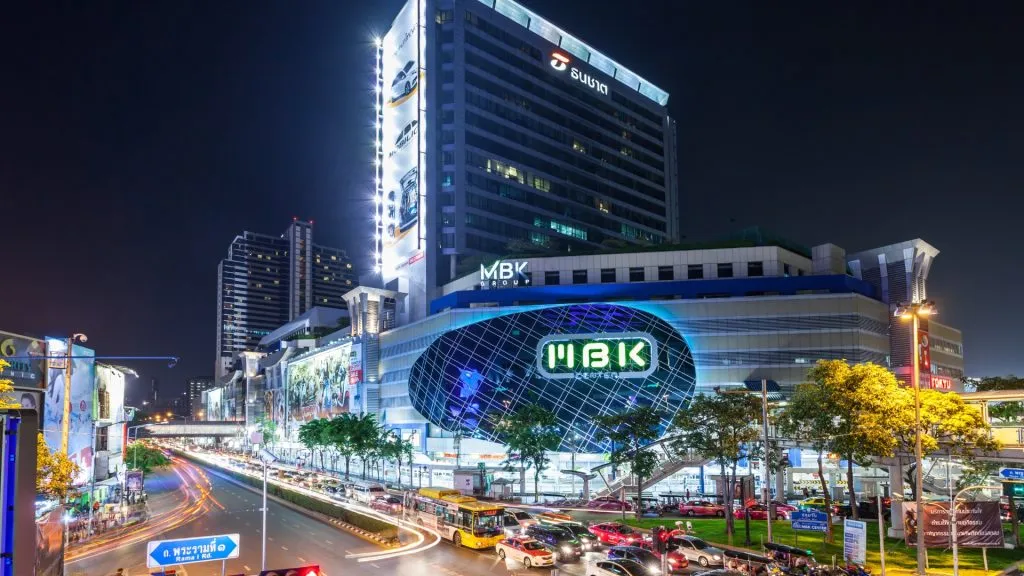
Part of the reason is practical. Bangkok is hot, humid, traffic-heavy, and not always easy to move through on foot. A mall offers things the city does not always reliably provide in public space: shade, air-conditioning, bathrooms, seating, food, security, parking, and somewhere to wait without having to explain why you are there.
For a lot of people, malls function as informal third places. The term “third place,” popularized by urban sociologist Ray Oldenburg, refers to spaces outside home and work where people gather, spend time, and build everyday social life. In Bangkok, malls often fill that role, even if they are privately owned and commercially driven.
Students meet there after school. Office workers sit out rush hour. Families turn errands into a full-day outing. Teenagers wander without needing much of a plan. Friends use malls as neutral meeting points because everyone knows how to get there, especially when they are connected to the BTS or MRT.
The appeal is comfort, but also convenience bundled with social permission.
You can go alone without feeling awkward. You can sit for a while. You can spend a lot, or relatively little. You can eat something cheap in a food court or book a table at a restaurant. You can treat the visit as an errand, a date, a break, or an entire Saturday.
That flexibility is why malls keep adapting instead of disappearing.
Visitors sometimes ask why the city has so many malls. But after a few days in Bangkok, the question usually changes. It becomes easier to understand why people keep using them.
They are shopping centers, yes. But in daily life, they often behave more like climate-controlled town squares, food halls, event venues, shortcuts, waiting rooms, and weekend plans all at once.

 Thailand NOW