

When people talk about Her Majesty Queen Sirikit, the Queen Mother’s legacy, they might often start with culture: textiles, crafts, traditional arts. We do too. But something less visible, yet just as foundational, is how deeply she shaped Thailand’s relationship with its natural environment. Plants, forests, and biodiversity were never simply ornamental interests for her, even when they were beautiful. In many ways, they also served as infrastructure.
At a time when development was accelerating and ecosystems were under pressure, The Queen Mother consistently framed conservation as something practical. Native plants mattered because they supported livelihoods. Forests mattered because they stabilized land, water, and food systems. Biodiversity mattered because once it was lost, it could not be rebuilt.
Her approach was grounded in a simple idea: if Thailand wanted to protect its future, it needed to understand, document, and actively care for the natural systems it depended on. That belief quietly shaped decades of conservation work, and much of it happened outside public view.
Rather than focusing on symbolic gestures, she supported long-term projects that treated nature as knowledge to be preserved, studied, and passed on. Botany became a tool for resilience.
Turning Conservation Into Infrastructure
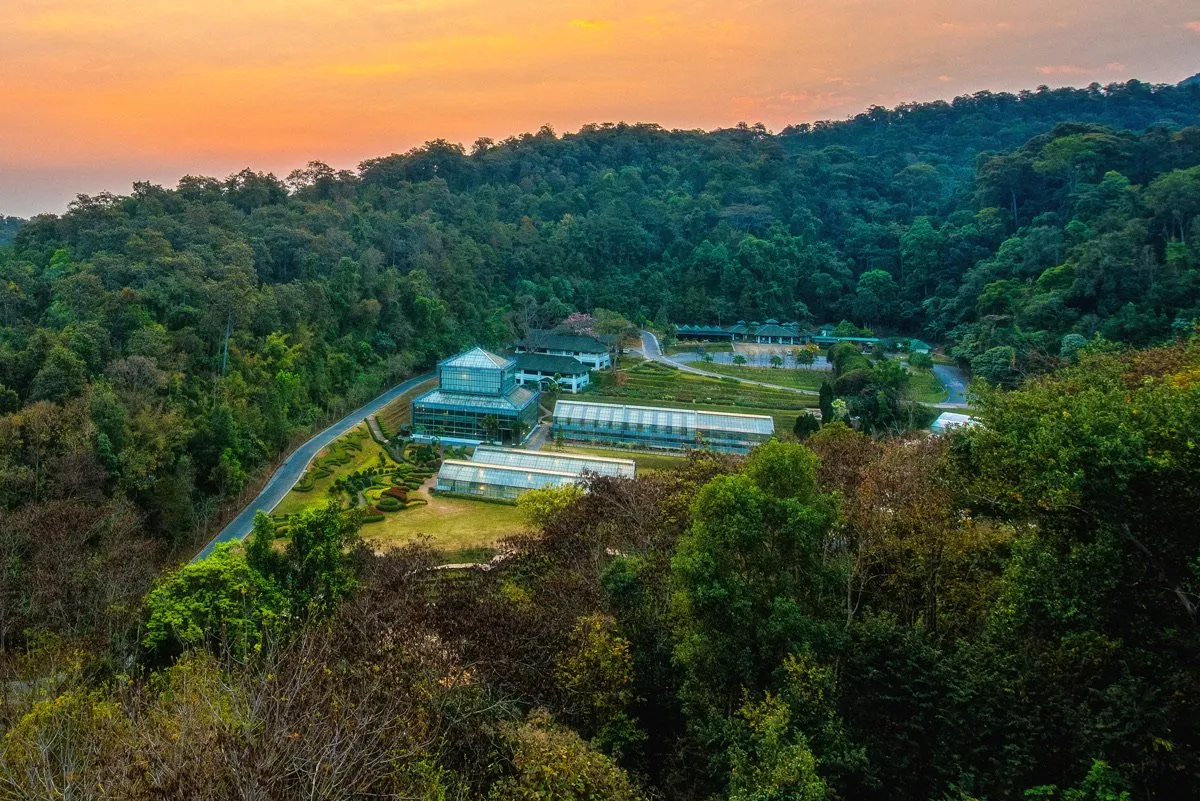
One of the Queen’s most lasting contributions was helping turn conservation into something institutional. Not a campaign or a one-off project, but a system that could outlast any single moment.
The clearest example here is the establishment of the Queen Sirikit Botanic Garden (QSBG) in Chiang Mai. From the beginning, it was designed — unlike a traditional park — as a research center, a living archive, and a training ground for scientists, horticulturists, and conservation specialists.
This mattered because conservation without structure is fragile. Species disappear quietly. Knowledge vanishes when it lives only with individuals. By supporting botanical institutions, the Queen helped ensure that plant species were catalogued, studied, and conserved with scientific rigor.
Botanical gardens under her patronage became places where taxonomy, ecology, and genetics intersected. They collected plant specimens from across Thailand’s ecosystems, from lowland forests to mountain regions, creating reference systems that scientists could return to over decades.
This infrastructure also allowed conservation work to evolve. As technology advanced, so did the methods: seed banks, tissue culture, and genetic documentation all became part of the same long-term vision. The goal was to protect what existed, yes, but also to build the capacity to respond to environmental change.
By treating botany as national infrastructure, the Queen helped embed conservation into Thailand’s scientific and educational landscape. The results are still visible today as systems quietly doing their work.
Orchids, Genetics, and the Science of Preservation
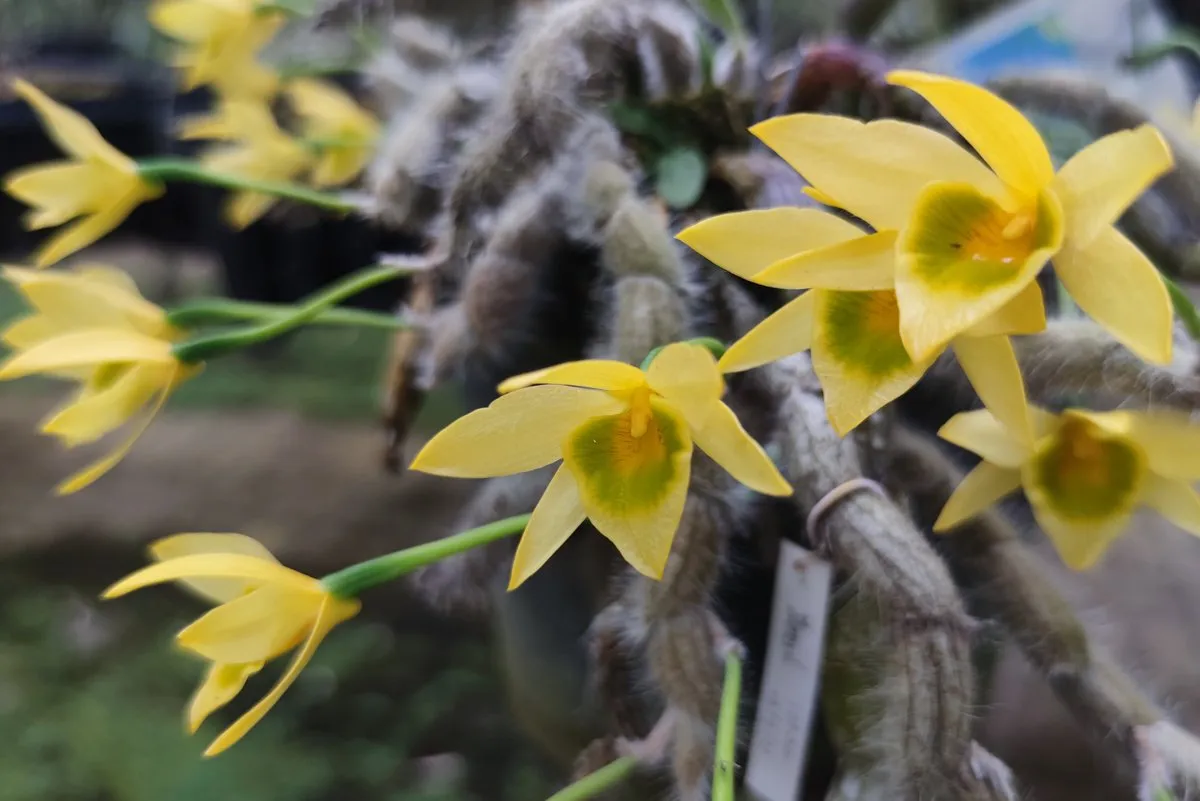
Thailand sits at the center of one of the world’s richest orchid zones. Hundreds of native species grow across forests, mountains, and wetlands, many of them highly specific to microclimates that are easy to disrupt. That biodiversity made orchids an obvious conservation priority, but also a complicated one. Orchids are sensitive, slow to reproduce in the wild, and vulnerable to overcollection.
Orchids mattered to Queen Sirikit for reasons that went beyond beauty. Thailand’s native orchids sit at a crossroads of ecology, identity, and income. They grow slowly, depend on very specific conditions, and are easily damaged by land clearing and illegal collection. Once they disappear, they don’t just come back on their own.
That vulnerability made orchids a kind of early warning system. Protecting them meant protecting entire ecosystems around them. It also meant protecting a plant group that Thailand was already known for internationally, one tied to horticulture, tourism, and long-standing cultural symbolism. Conservation here was as much about foresight as it was about protection.
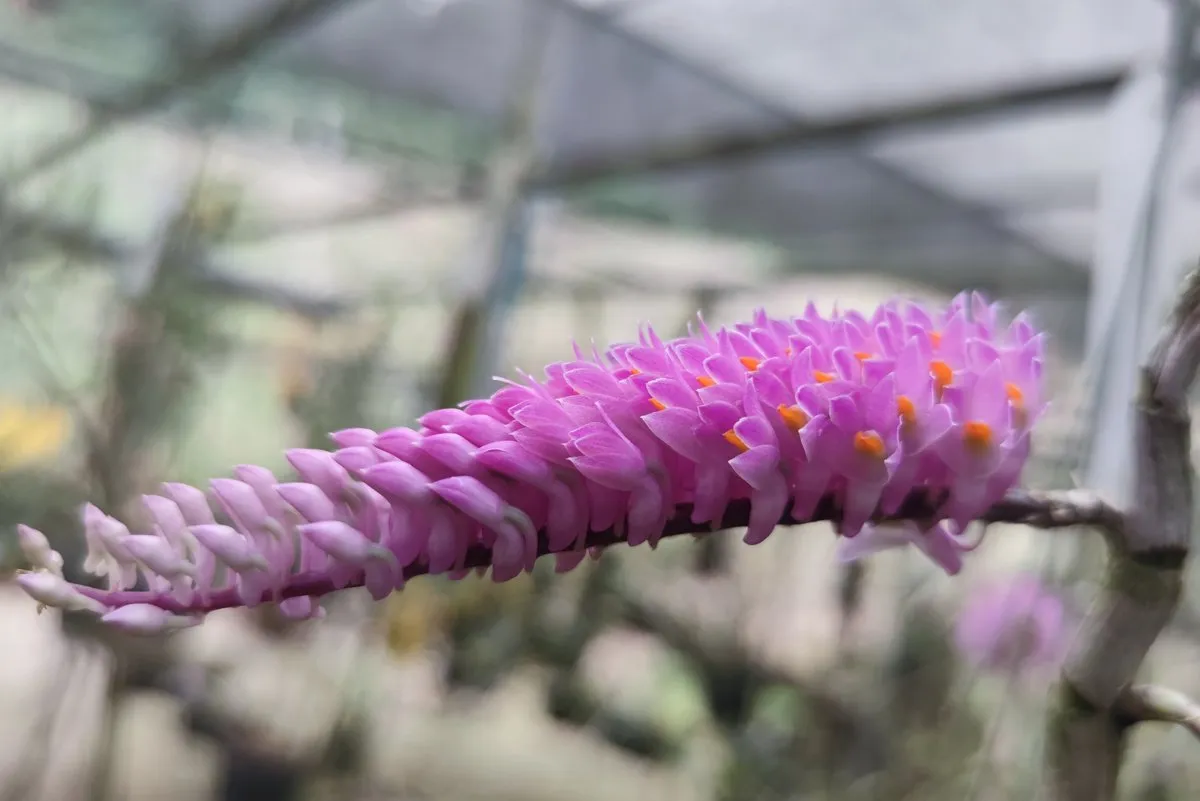
This is where science entered the picture. Conservation under Queen Sirikit’s patronage leaned heavily on research. Botanists began documenting species systematically, building living collections, and using tissue culture to propagate orchids without stripping them from their habitats. Lab-grown specimens allowed rare plants to be preserved, studied, and eventually reintroduced, while reducing pressure on wild populations.
Genetic conservation followed out of necessity. When a species disappears in the wild, physical protection alone is no longer enough. DNA banking and genetic records allow scientists to study plants that no longer exist in their original environments. They also make future restoration possible, even after habitats are damaged or lost.
The result is a model where tradition and modern biology sit side by side. Orchids remain cultural icons, closely associated with national imagery (think Thai Airways), but they are also research subjects, part of a larger effort to understand how biodiversity can be protected over decades rather than seasons.
Conservation That Includes People
But of course, botanical conservation only works when it connects to daily life. Queen Sirikit understood this early. Protecting plants in isolation made little sense in a country where forests, farms, and villages overlap. In a place like Thailand, conservation had to support livelihoods, education, and regional economies at the same time.
This thinking shaped how programs under the SUPPORT Foundation expanded beyond crafts into agriculture, plant-based production, and land use. Farmers were encouraged to grow native or resilient species. Communities learned how certain plants could support food security, income, and environmental balance at once. Conservation became practical rather than abstract.
Education was treated the same way as research: as infrastructure. Botanical spaces were designed to make knowledge visible. Labels, layouts, training programs, and public exhibitions were built into the landscape itself.
The idea was simple. People are more likely to protect what they understand. Conservation lasts longer when it becomes familiar, when it’s something you grow up seeing, walking through, and learning from without being told you’re being taught.
What emerges from this approach is a broader definition of sustainability. Plants are protected because people benefit from keeping them alive, and knowledge moves across generations because it is useful. Conservation becomes durable when it fits into how people actually live and work.
Where This Legacy Lives Today
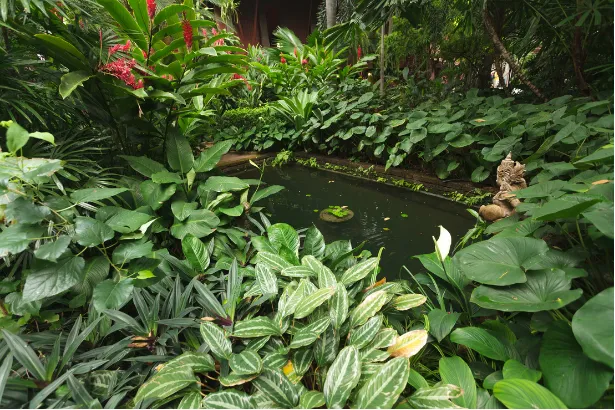
The great thing is that Queen Sirikit’s botanical legacy isn’t abstract. All of this is physical, public, and still in use, and you can see it for yourself.
The QSBC is a working research center, a genetic archive, and an educational space where conservation happens quietly but constantly. Scientists catalog species. Students learn plant systems. Visitors see how biodiversity is preserved through planning.
In Bangkok, Queen Sirikit Park and Suan Luang Rama IX translate the same philosophy into urban life. They have become landscapes designed to teach ecological balance, native species, and long-term stewardship in a city that grows fast and densely. People jog, picnic, attend exhibitions, and absorb environmental knowledge without needing a lesson plan.
What ties these places together is intent. They were built to last. They frame plants as infrastructure. They show that conservation can be visible, accessible, and integrated into daily routines.
That may be the most enduring part of Queen Sirikit’s approach. Her lifetime’s work created systems that continue to grow, adapt, and educate. Her legacy is still something people in Thailand still walk through, learn from, and rely on every day, for generations to come.

 Paul Rujopakarn