

As Thailand prepares to head to the polls on February 8th, the most decisive contest may be between truth and the speed of misinformation as much as between political parties.
A culture shift before ballots are cast
Across newsrooms, universities, and social media feeds, a quieter movement is taking shape in the form of ordinary citizens learning how to verify what they see before they share it. At a recent forum hosted by Thai PBS and international partners, organizers framed fact-checking as a shared civic skill as fundamental as voting itself.
Training programs now span ages 17 to 70, drawing far more applicants than expected. Participants learn to scrutinize policies, confirm sources and spot altered images, even practicing in simulated “war rooms” that mirror the pressure of real-time election coverage. The ambitious goal is to develop a social immunity against rumors, rampant speculation, AI-generated videos, and emotionally charged claims that often travel faster than corrections.
Experts warn that the danger isn’t just about believing one false story, but actually spiraling into a state of cynicism wherein people stop trusting any information they receive. That, they say, is where democracy quietly erodes.
Why misinformation spreads so fast
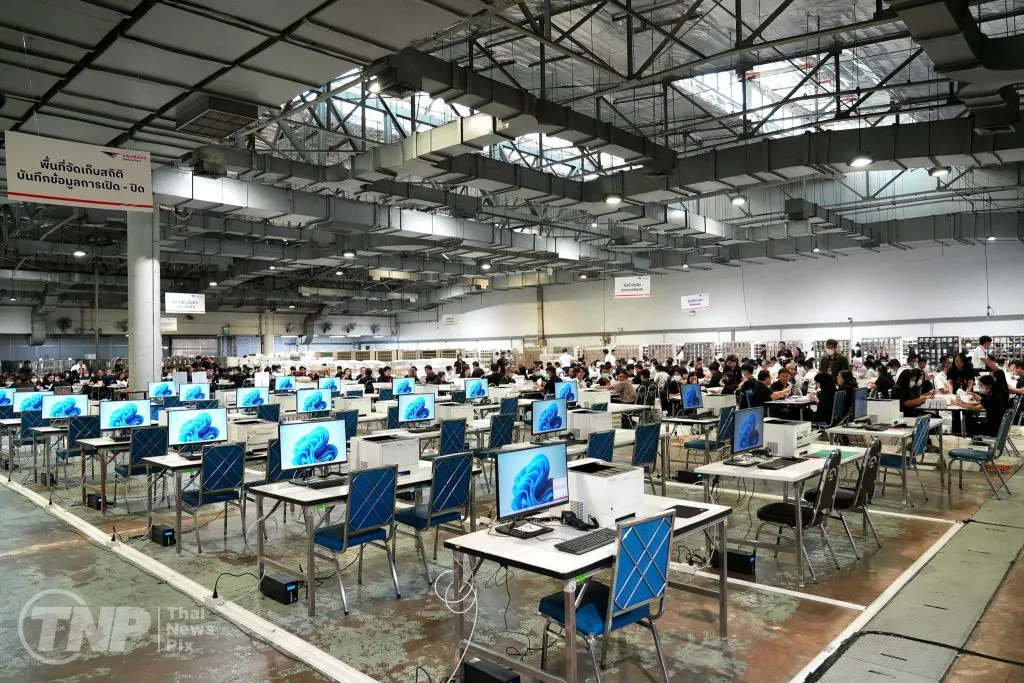
When it comes to explaining the speed with which misinformation can spread, researchers point to psychology as much as technology. Negative or surprising headlines tend to stay with people even after they’ve been debunked. Add the frictionless sharing of social platforms and a misleading claim can reach thousands before a fact-check ever catches up.
It’s for this reason that election officials, journalists and educators are pushing a shared responsibility model, recommending that people pause, check the source, compare outlets, and question claims that rely on outrage instead of evidence.
What voters need to know on election day
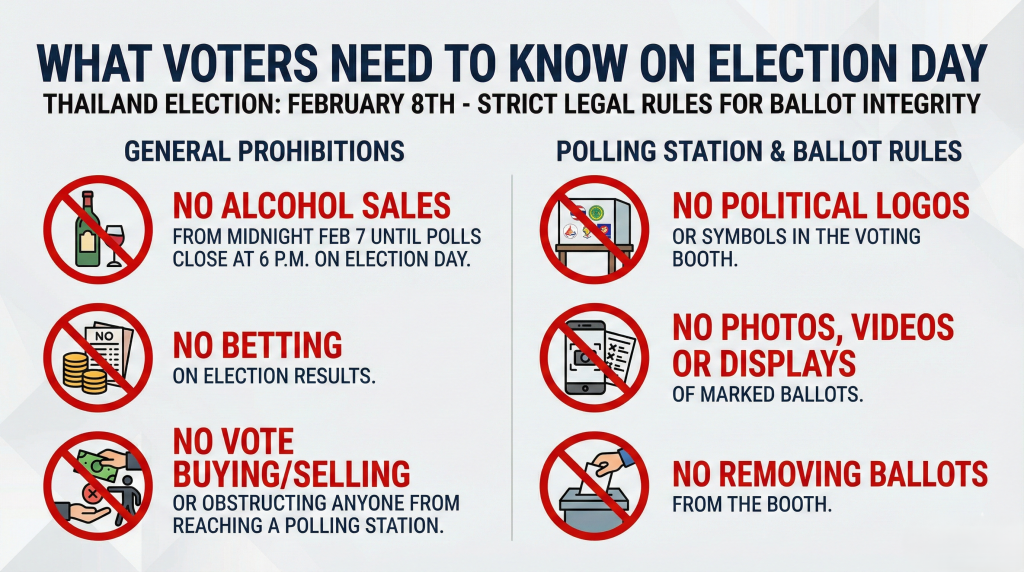
Alongside the push for better information, authorities are reminding voters of strict legal rules designed to protect the integrity of the Alongside the push for better information, authorities are reminding voters of strict legal rules designed to protect the integrity of the ballot:
- No alcohol sales from midnight on February 7th until polls close at 6 p.m. on election day.
- No betting on election results.
- No vote buying or selling, and no obstructing anyone from reaching a polling station.
- No political logos or symbols in the voting booth.
- No photos, videos or displays of marked ballots, and no removing ballots from the booth.
Violations can carry heavy fines, prison sentences, and even long-term loss of voting rights. Suspected offenses can be reported to the Election Commission’s hotline (1444) or its mobile app.
Securing every vote
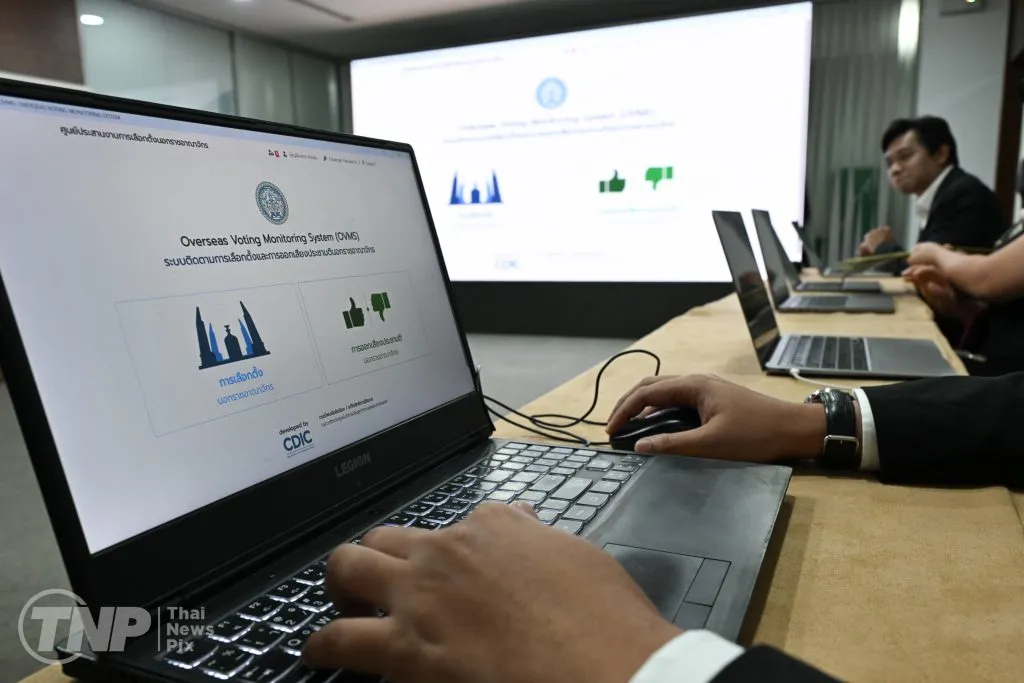
Behind the scenes, thousands of advance ballots, including those cast overseas, are already moving through a tightly monitored delivery system. Election officials say ballots are tracked with GPS, logged at every handover and guarded by police as they travel to all 400 constituencies nationwide. More than 600 transport runs and 24-hour surveillance meanwhile aim to reassure voters that every envelope is handled securely and transparently.
More than a result
With a possible constitutional referendum on the same day, the stakes extend beyond who forms the next government. Civic groups are urging voters to examine policies, follow the money behind promises and hold leaders accountable after the campaign ends.
As Thailand enters its final days before the vote, the emerging refrain is that democracy depends as much on what voters believe going into the polls as the act of casting their ballot.

 Teerin Julsawad