

Following the passing of Her Royal Highness Princess Bajrakitiyabha Narendiradebyavati Kromluangrajasarinisiribajra Mahavajrarajadhita on June 11th, 2026, tributes from Thailand and abroad have returned to a consistent set of themes: justice, dignity, compassion, and service.
Known affectionately to many Thais as “Princess Pa,” Her Royal Highness was remembered for a life that spanned royal service, law, diplomacy, and advocacy for people who often stood at the margins of the justice system.
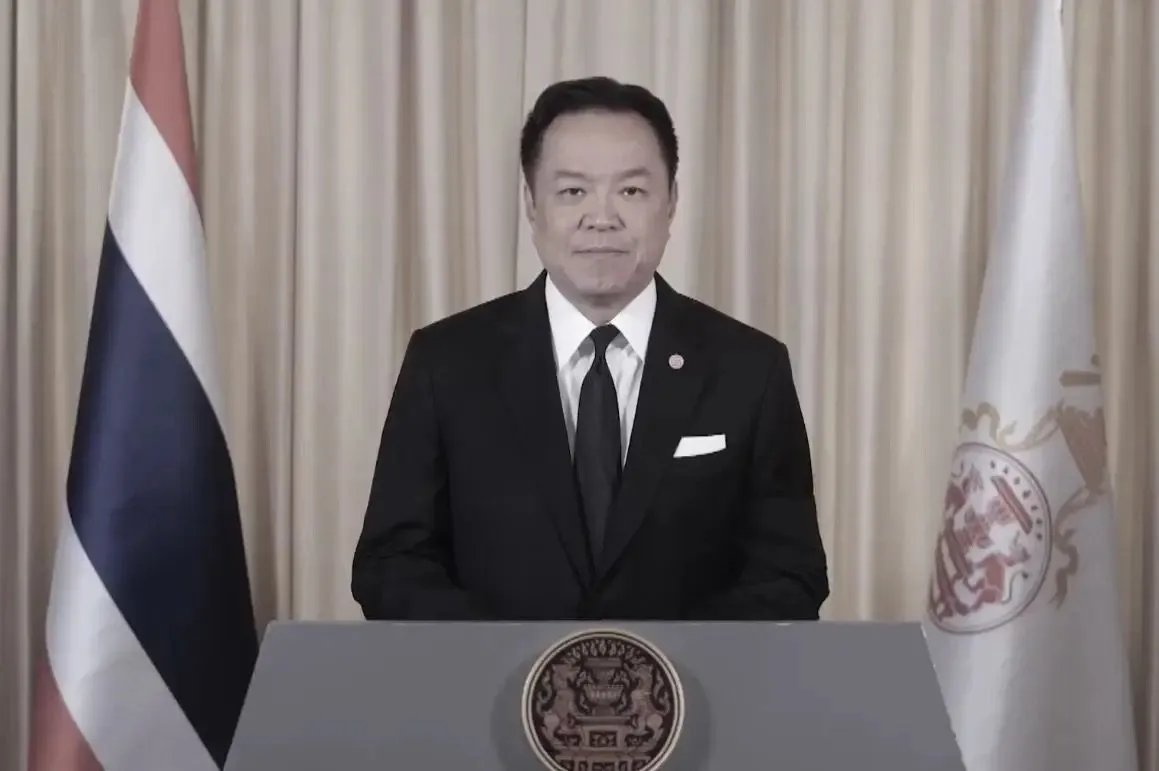
In his statement, Prime Minister Anutin Charnvirakul described her life’s work as being rooted in “justice, equality, and human dignity,” noting her contributions as a legal scholar, diplomat, and social worker. The United Nations in Thailand also expressed its sorrow, saying that her commitment to improving the lives and opportunities of the most vulnerable, particularly women and children, had left an enduring legacy.
What emerges across many of these reflections is a portrait of a princess whose public service was closely tied to the law, not as an abstract system, but as something that could improve people’s lives.
A justice legacy centered on dignity
Much of Princess Bajrakitiyabha’s work focused on people within the justice system, especially women prisoners, pregnant inmates, and children living with incarcerated mothers.

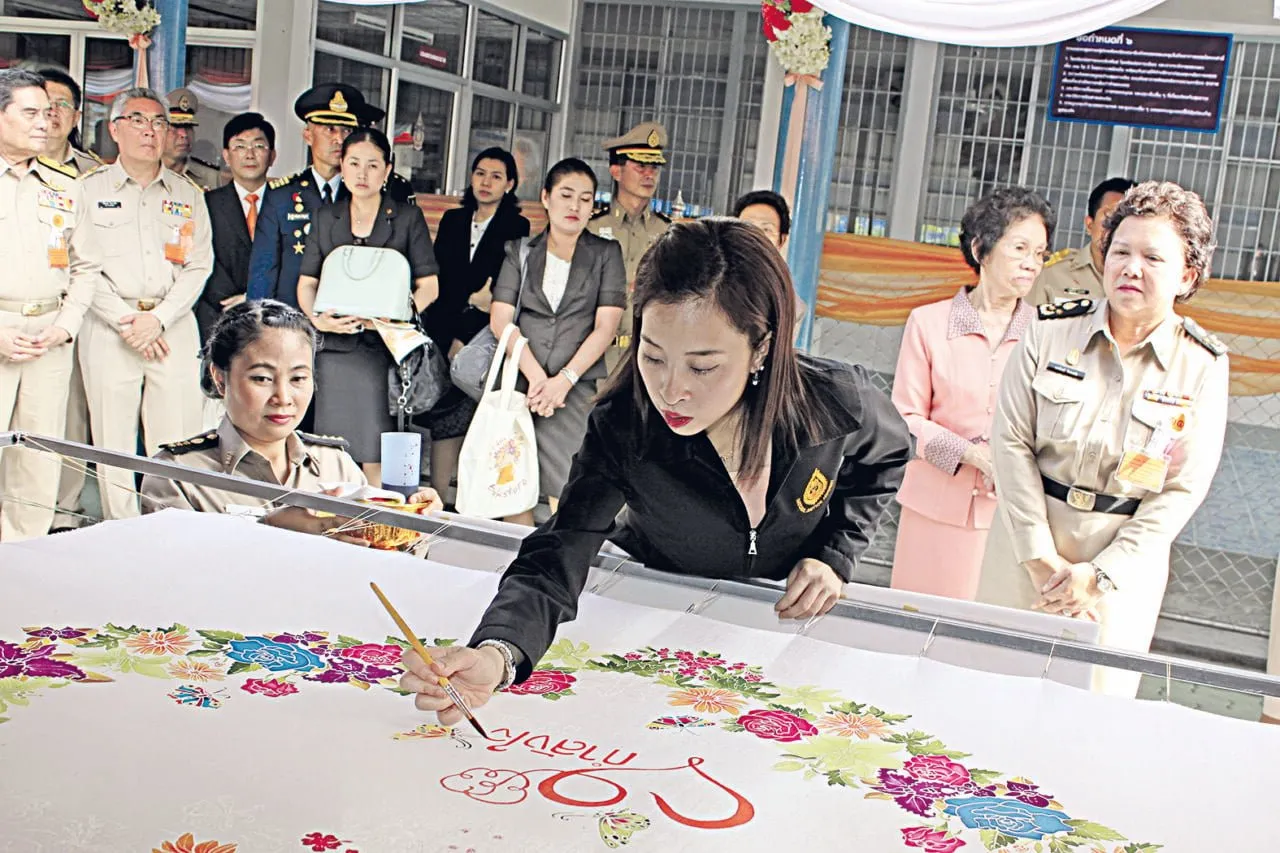
That concern became one of the defining areas of her public life. Through the Kamlangjai (“Inspire”) Project, which she initiated in 2006, Her Royal Highness supported programs for female inmates, juvenile offenders, detainees’ children, and others in need of opportunities to return to society with dignity.
The project provided education, vocational training, and rehabilitation activities, while also encouraging wider Thai society to offer second chances to people who had gone through the justice process.
Her Royal Highness once described Kamlangjai as “a powerful word” connected to good wishes and generosity that people should have for one another. That idea became central to how many people remembered her work: legal reform grounded in compassion.
Her advocacy also reached the international level through what became known as the Bangkok Rules, the United Nations standards on the treatment of women prisoners and non-custodial measures for women offenders.
In its tribute, the United Nations Office on Drugs and Crime said her efforts to advance these standards created “a lasting legacy benefitting generations of women around the world.”
A Thai voice on the global stage
Princess Bajrakitiyabha’s legal work was closely connected to her diplomatic service.
She served as Ambassador of Thailand to Austria, Slovakia, and Slovenia, and Permanent Representative of Thailand to the United Nations and other Vienna-based international organizations. Before that, she had also worked briefly at the Thai Permanent Mission to the United Nations in New York.
In a personal reflection, Thai lawyer-diplomat Sun Thathong recalled first encountering her work through the campaign for the Bangkok Rules. Later, while posted in Vienna, he saw the continued impact of her diplomacy there.
He described her as a “model lawyer-diplomat,” whose passion for justice and the rule of law helped advance Thailand’s role in multilateral forums. During her time in Vienna, she took on leadership roles across several international bodies, including the Commission on Crime Prevention and Criminal Justice, the Commission on Narcotic Drugs, the International Atomic Energy Agency, and the International Anti-Corruption Academy.
For Sun, these roles reflected both diplomatic ability and the trust she earned from the international community. He wrote that her work helped build bridges, resolve tensions, and advance common goals, raising both Thailand’s profile and the profile of the organizations themselves.
That view is echoed in reflections on her wider international advocacy. Assistant Professor Prinya Thaewanarumitkul of Thammasat University highlighted another part of her legacy: her role in promoting justice within the United Nations Sustainable Development Goals framework. According to his reflection, Her Royal Highness had shared that she helped push for justice to be included alongside peace in what would become SDG 16.
For legal professionals, that contribution remains significant because it placed justice not only within national legal systems, but within global development itself.
Women’s rights and social protection
Princess Bajrakitiyabha’s work also connected deeply with gender equality and the protection of women.
In 2008, she was appointed a UN Women National Ambassador for Thailand. Following her passing, UN Women Asia and the Pacific described her as a committed advocate for ending violence against women and advancing gender equality, saying her leadership would be remembered with “profound respect and gratitude.”
Her own statement as a UNIFEM Goodwill Ambassador reflected that commitment. Speaking on Thailand’s support for the “Say NO to Violence against Women” Campaign, Her Royal Highness noted that national ownership around the effort had created a strong foundation for coordinated work to end violence against women and girls in Thailand.
These tributes help explain why her legacy is often described through the language of dignity. Her work emphasized fairness, rehabilitation, and protection for people whose needs were often overlooked, viewing the law as a means of support as much as a system of rules and procedures.
Her public service extended beyond the justice system as well. Following the severe Bangkok floods of 1995, she helped establish the Friends in Need (of “Pa”) Volunteers Foundation under the Thai Red Cross Society to assist people affected by natural and man-made disasters. Serving as its President, Her Royal Highness supported efforts ranging from disaster relief and mental rehabilitation to temporary shelters, child care centers, and community-based flood warning systems. In a tribute following her passing, the foundation described her as “a role model for humanitarian work and a source of inspiration for people in need,” reflecting another dimension of a legacy rooted in service and compassion.
A legacy carried forward
In the days following her passing, tributes came from within Thailand and abroad.
The Royal Gazette published a proclamation honoring her devotion, public service, and contributions to the justice system, public charity, human rights protection, quality of life for the underprivileged, and international relations. The Bhutanese Royal Family also offered religious rites in tribute, reflecting the respect Her Royal Highness received beyond Thailand.
Within Thailand, public mourning was visible along the royal procession route from King Chulalongkorn Memorial Hospital to the Grand Palace, where people gathered dressed in black to pay their respects.
The loss is deeply felt. But the reflections shared after her passing also make clear that Princess Bajrakitiyabha’s legacy is not defined only by mourning. It continues through the causes she championed: humane justice, women’s rights, rehabilitation, public service, and the belief that people deserve the opportunity to rebuild their lives.
As Prime Minister Anutin said in his statement, her devotion to a society rooted in compassion, justice, and equality will remain a lasting legacy for the Kingdom.

 Paul Rujopakarn
  Thailand NOW