

Thailand has been named Asia’s best retirement destination for 2026, placing ninth worldwide in International Living’s Annual Global Retirement Index.
It is a small rise from 10th place in 2025, but the more useful part of the ranking is the score breakdown. Thailand received 80 out of 100 overall, including 96 for cost of living, 84 for development and governance, and 79 for both healthcare and visas and retiree benefits.
Those numbers help explain why Thailand continues to appear on retirement lists. Its appeal does not rest on a single beach town, one especially affordable city, or the promise of permanent vacation. It comes from the way several practical advantages work together.
What the retirement ranking actually measures
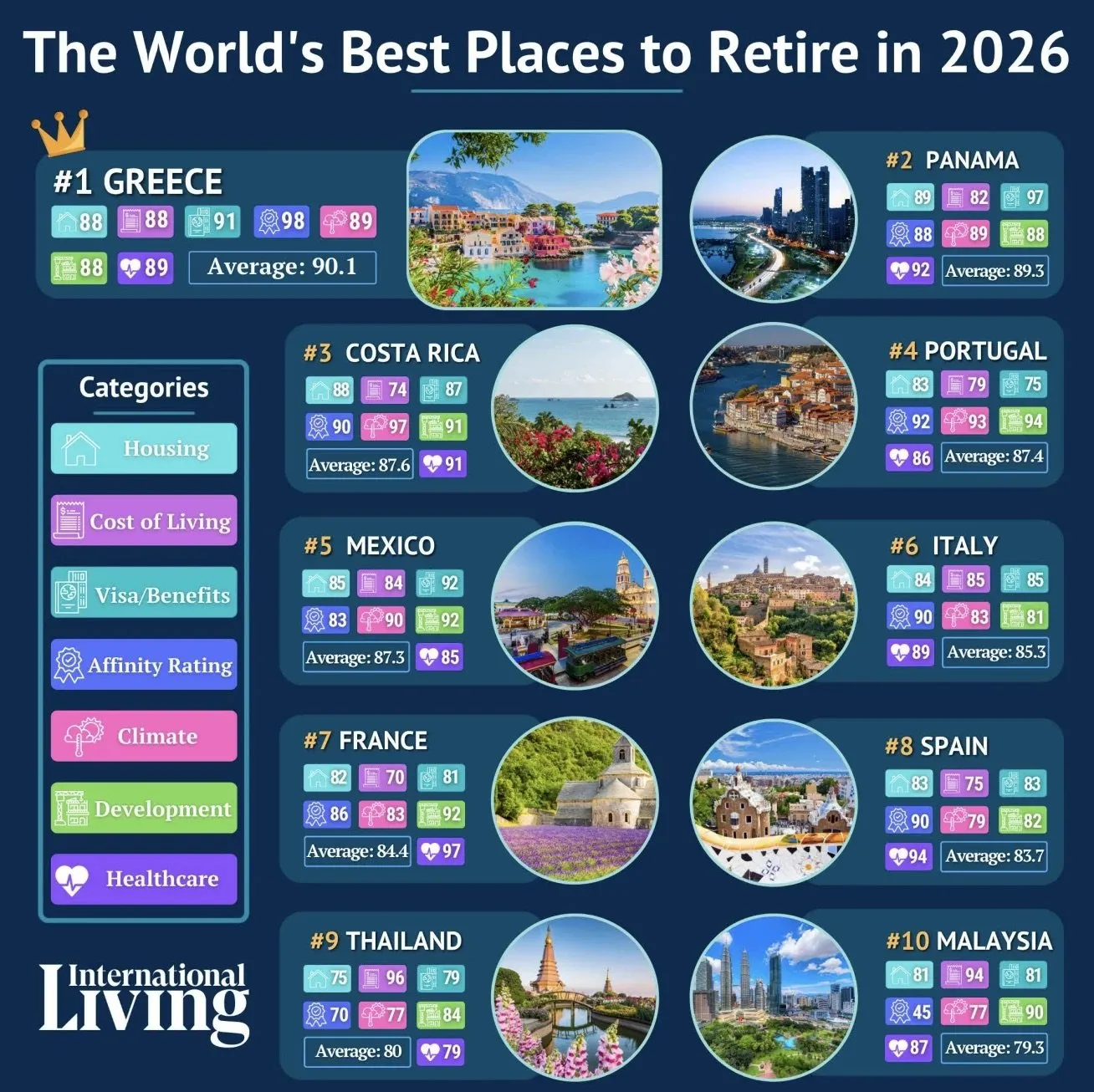
International Living’s 2026 index compares 24 countries across seven categories: housing, cost of living, visas and retiree benefits, development and governance, climate, healthcare, and affinity.
The index combines objective factors, such as costs and visa policies, with assessments from International Living’s network of correspondents and expatriates living in the countries being evaluated.
Thailand’s strongest result was the cost of living. A score of 96 suggests that affordability remains central to its appeal, particularly for retirees comparing how far their savings or pension income might stretch across different countries.
But cost alone does not explain a 9th-place global ranking. Many countries are affordable. Thailand also performed strongly in development and governance, while its healthcare and visa scores indicate that the practical side of staying long-term remains part of the equation.
Affordability without sacrificing convenience

Thailand has long been associated with lower living costs, but retirement here can look very different depending on where someone chooses to live.
A retiree in central Bangkok may prioritize private hospitals, mass transit, international restaurants, and condominium living. Someone in Hua Hin may prefer a quieter coastal setting with access to Bangkok when needed. Chiang Mai offers a different balance again, with city amenities, nearby mountains, and an established international community.
That range is one of Thailand’s advantages. People can choose between a major city, a beach destination, a northern urban center, or a quieter provincial setting without leaving the country.
The same combination is reflected across the index’s categories. Affordability matters because it sits alongside healthcare, infrastructure, and everyday convenience. Retirees are not only thinking about monthly expenses. They are also weighing how easily they can reach a doctor, buy groceries, travel, or maintain the lifestyle they want in retirement.
Thailand’s score reflects that broader version of value.
Healthcare becomes king with age

Healthcare is one of the first practical questions people ask when considering retirement abroad.
Thailand’s well-developed private healthcare sector is a major part of its appeal. Bangkok and other large destinations have private hospitals and specialist clinics that regularly serve international patients, while the country has spent years developing its position in medical and wellness tourism.
For retirees, the attraction is less about traveling to Thailand for a single procedure and more about having ongoing access to care. Regular consultations, dental treatment, diagnostic services, rehabilitation, and specialist appointments all become more relevant with age.
International Living’s Thailand profile emphasizes the country’s modern medical facilities and comparatively accessible private care. The 2026 index gave Thailand 79 for healthcare, placing it among the factors supporting the country’s overall result.
Access still varies by location. Bangkok offers the widest choice, while smaller provinces may have fewer private facilities or English-speaking specialists. That makes healthcare proximity an important part of deciding where to settle, rather than simply whether to retire in Thailand at all.
Retirement life is about the practicalities
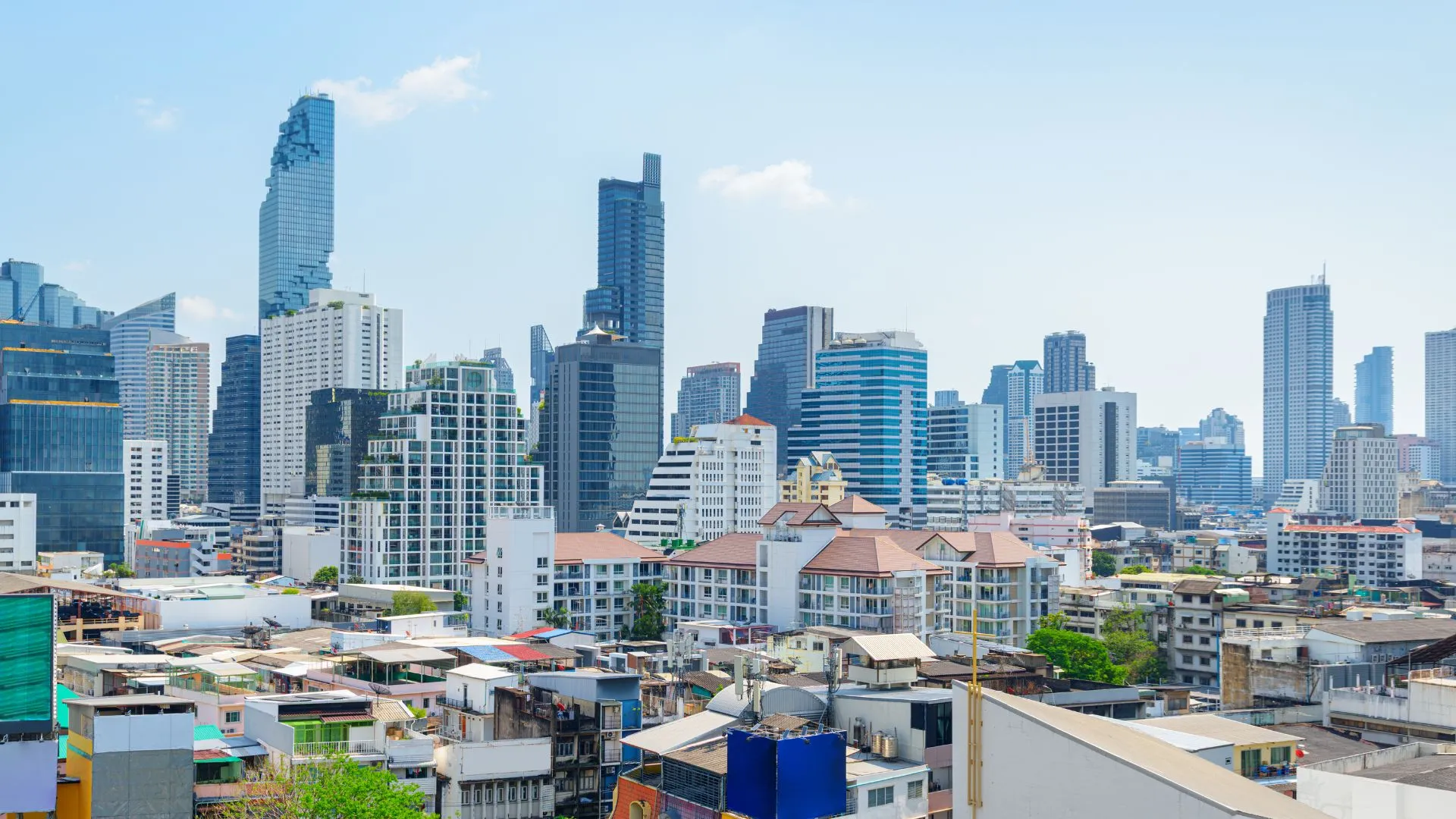
The index includes a category called affinity, which looks at how easy a destination feels to settle into. That can include social life, local attitudes, language, and the presence of communities where newcomers can begin building a routine.
Thailand has established expatriate communities in places such as Bangkok, Chiang Mai, Hua Hin, Pattaya, Phuket, and Koh Samui. That can make the first stage of relocation easier, especially for retirees looking for social groups, volunteer organizations, sports clubs, or people dealing with similar practical questions.
There is also a broader cultural factor. Thai society traditionally places importance on family structures and respect for older people. That does not remove the difficulties of relocating to another country, but it can shape how retirees experience daily interactions and community life.
The appeal is also highly flexible. Someone can spend retirement close to restaurants, shopping centers, and international hospitals, or choose a slower routine near the coast or mountains. Domestic flights and regional transport make it possible to live outside Bangkok without becoming completely disconnected from it.
Why Thailand keeps returning to these lists
Thailand’s rise up one spot to ninth place is modest, and retirement rankings should never replace personal research. Visa rules can change. Healthcare needs vary. Housing costs depend heavily on location, and a place that suits one retiree may feel completely wrong for another.
Still, the result confirms a pattern. Thailand performs well because it combines affordability with infrastructure, healthcare, climate, and a wide range of possible lifestyles. None of those advantages operates alone. Together, they give retirees room to decide how active, urban, quiet, social, or private they want the next stage of life to be.
That may be the strongest part of Thailand’s retirement appeal. It does not offer one fixed version of retirement. It offers several, at very different budgets and paces, within the same country.

 Paul Rujopakarn