

Thailand has used one of Asia’s premier policy gatherings to affirm that the region’s future hinges on deeper cooperation, with Deputy Prime Minister and Foreign Minister Sihasak Phuangketkeow calling for a new model of integration built on resilience, connectivity, and shared innovation.
Speaking at the 31st Nikkei Forum Future of Asia in Tokyo under the theme “Working Together for a More Resilient and Prosperous Asia,” Sihasak declared that “the future is Asia,” stressing that the continent’s rise has been driven by countries working together to unlock their collective strengths and potential.
His message reflected a broader vision of Asia moving beyond traditional trade ties toward what he described as “co-creation,” connecting economies through digital infrastructure, energy networks, innovation ecosystems, and talent development while rejecting zero-sum competition.
Resilience, connectivity, and regionalism
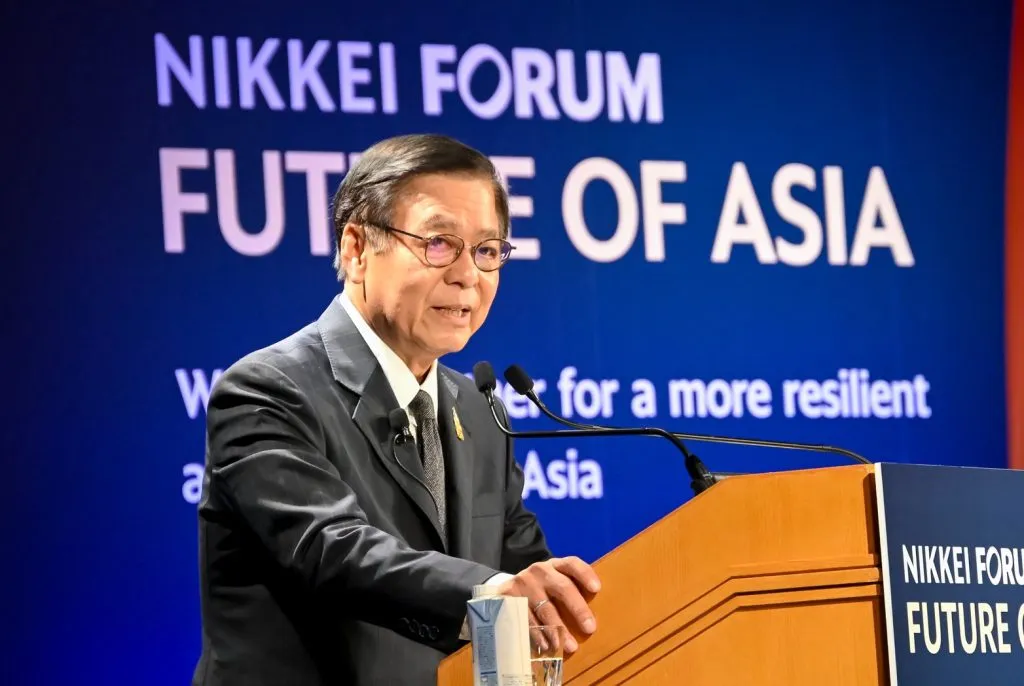
Amid geopolitical uncertainty and mounting concerns over economic security, Thailand outlined three priorities it believes should shape Asia’s next chapter.
- Resilience, built through stronger food and energy security, workforce development, and more robust supply chains capable of withstanding global disruptions.
- Enhanced connectivity, extending beyond physical infrastructure to include digital systems, financial platforms, energy cooperation, and cross-border knowledge exchange.
- Regionalism, with ASEAN positioned as the cornerstone for dialogue, confidence-building, and peaceful management of differences.
Sihasak also argued that Asia’s prosperity must remain anchored in peace, stability, and a rules-based international order.
Additionally, he urged countries to shift their mindset from viewing one another primarily as competitors to leveraging complementary strengths in areas ranging from advanced manufacturing and digital technologies to innovation and human capital.
Tokyo as an investment and diplomacy platform
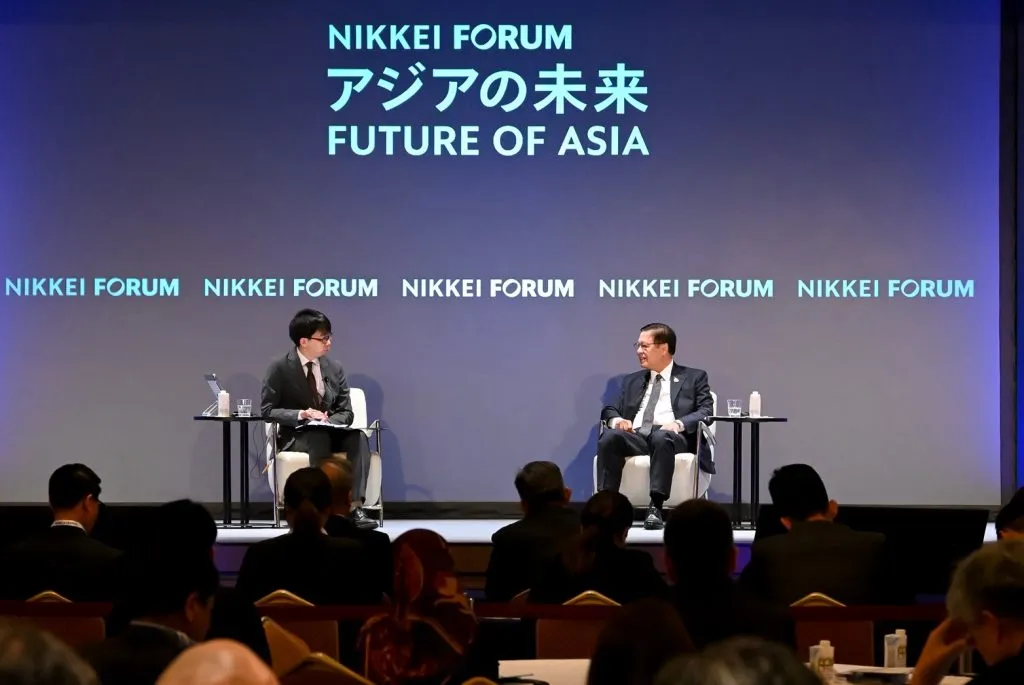
Thailand’s participation at the Tokyo forum also served as an opportunity to reinforce its economic diplomacy agenda and reassure international partners about its long-term direction.
Following his keynote address, Sihasak took part in a fireside discussion and interviews with Nikkei media, addressing Thailand’s economic outlook amid an evolving geoeconomic landscape as well as regional issues, including developments in Myanmar, the Middle East, and the Thailand–Cambodia situation.
During meetings with Nikkei executives, he reaffirmed cooperation ahead of the Nikkei Asia Forum APAC, scheduled to take place in Bangkok on July 16th, highlighting Thailand’s ambition to play a larger role in regional dialogue.
The deputy prime minister also met influential figures from Japan’s political and business communities. During these meetings, he promoted investment opportunities in emerging sectors such as artificial intelligence (AI), robotics, data centres, and digitalization while reiterating Thailand’s readiness to support Japanese businesses expanding in the Kingdom.
A larger role for Thailand in Asia’s future
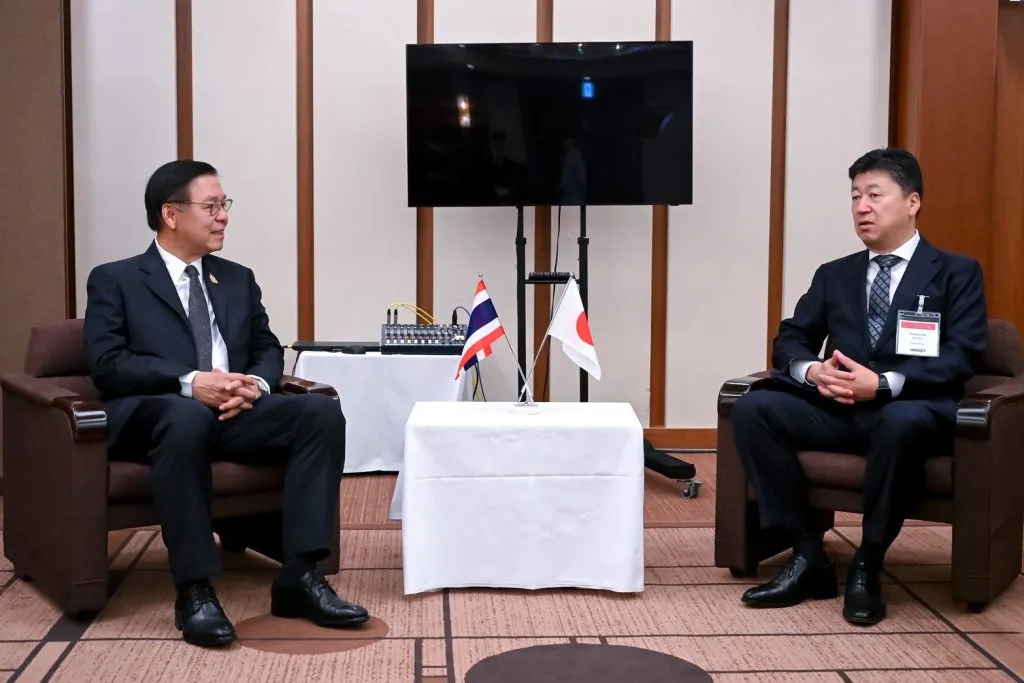
The Tokyo visit notably underscored Thailand’s broader efforts to promote itself as an active contributor to shaping Asia’s future rather than simply responding to it.
In discussions with Japanese counterparts, Sihasak highlighted opportunities for closer cooperation on advanced technologies and suggested Japan could play a greater role in areas such as AI governance and efforts to promote peace and stability in Myanmar.
The forum’s recurring theme of rising together mirrors Thailand’s own efforts to present itself as an active partner in building that future by engaging, connecting, and collaborating.
In an era of sharpening geopolitical rivalry, Asia’s greatest strength lies in both its diversity and pragmatism in addressing the most pressing issues of our time, with the region standing to gain the most when more Asians win.

 Teerin Julsawad
  Thailand NOW