

Thailand has been racking up a growing list of prestigious accolades, with destinations earning recognition for everything from pristine beaches and eco-tourism initiatives to luxury travel experiences and community-led conservation.The achievements come at a time when the global tourism industry continues to navigate economic uncertainty and geopolitical challenges, proving that long-term investment in quality tourism pays off in ensuring enduring appeal to travelers worldwide.
Paradise with purpose

Some of Thailand’s most celebrated victories have come from its natural attractions.
Among them is Koh Kradan, the idyllic island off the coast of Trang Province, which has been recognized as one of the world’s best beaches. Its fine white sands and emerald-clear waters have long attracted travelers, but its latest recognition highlights growing international appreciation for destinations that balance beauty with responsible management.
Further north along the Andaman coast, the Lanta Islands in Krabi Province captured the Green Destinations Story Awards 2026 in the Nature & Scenery category at ITB Berlin, one of the world’s most influential travel trade events. The award reflects efforts to protect fragile ecosystems while maintaining a thriving tourism economy.
Beyond the coastlines, Doi Phu Kha National Park in Nan Province and Takua Pa Old Town in Phang Nga Province both received international recognition for sustainable tourism development, showcasing how environmental protection and cultural preservation can coexist with visitor growth.
Thai communities leading the way
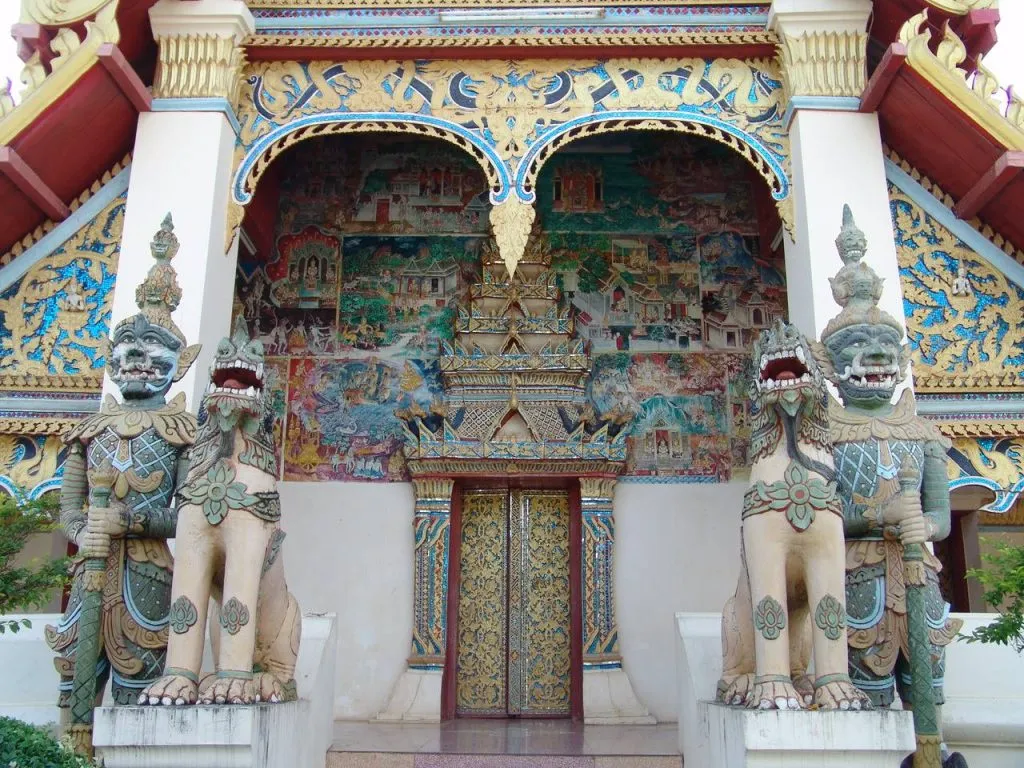
Among the Kingdom’s most compelling success stories have been those rooted in communities, demonstrating that tourism success need not come at the expense of local identity.
Chiang Khan, a charming Mekong River town in Loei Province, and Uthai Thani Province have both been recognized as outstanding community-based tourism destinations. Their achievements stem from strong local participation, environmental stewardship, and a commitment to preserving traditional ways of life.
These accolades reflect a broader shift in global tourism, where travelers are increasingly seeking meaningful experiences that directly benefit local residents rather than mass-market attractions alone.
Thailand has embraced that trend through initiatives that promote grassroots economic development, heritage preservation, and eco-conscious travel.
Capitalizing on trends in luxury and wellness
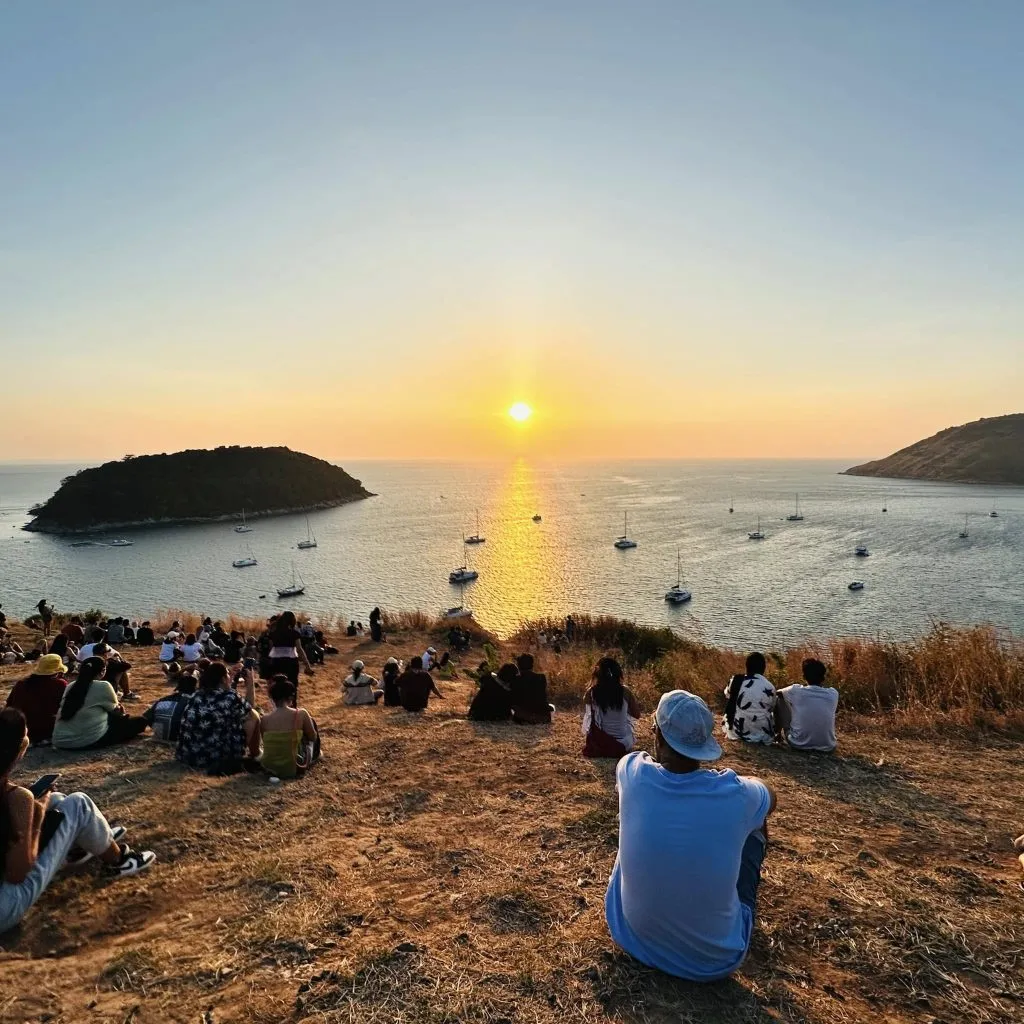
On the premium end of the market, the Kingdom is increasingly excelling in luxury and wellness offerings that deliver high-end travel experiences while reflecting modern lifestyles.
Bangkok was ranked by Forbes Travel Guide among the world’s leading luxury travel destinations, reaffirming the Thai capital’s reputation for high-end hospitality, world-class dining, and sophisticated urban experiences.
Additionally, Phuket continues to attract international beach lovers, while Koh Samui is increasingly associated with wellness tourism and luxury retreats.
Chiang Mai, meanwhile, has strengthened its position as one of Asia’s most desirable hubs for digital nomads. Its combination of cultural heritage, modern infrastructure, affordability and quality of life has helped attract a growing community of remote workers seeking a balance between productivity and lifestyle.
Beyond the awards
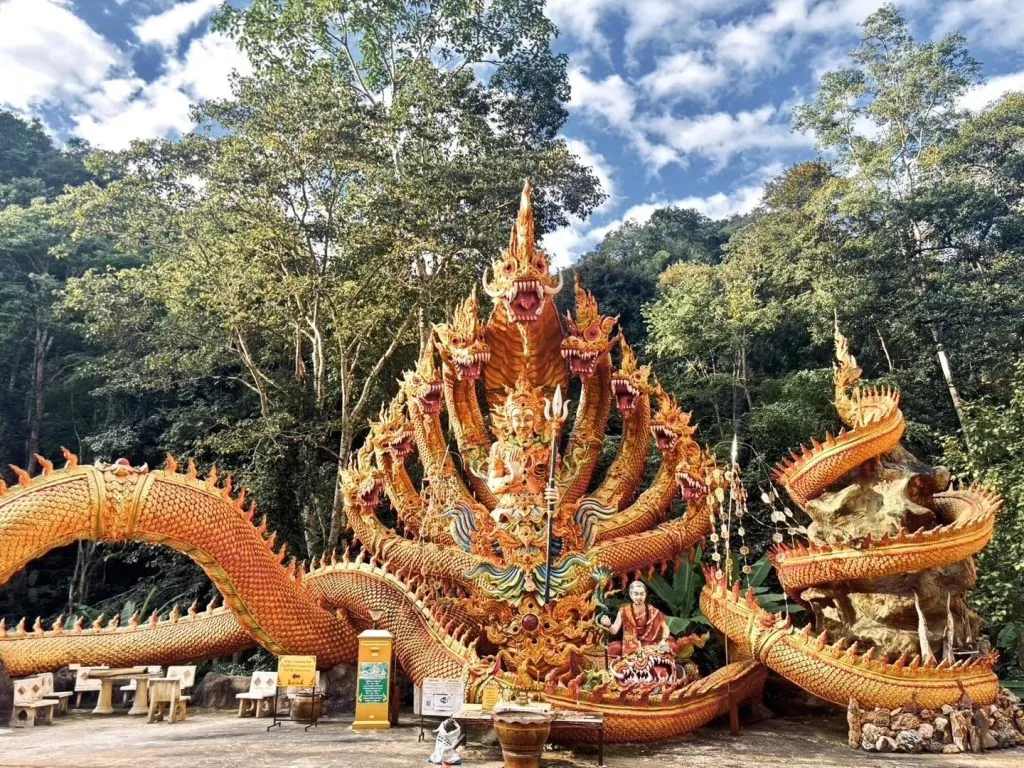
The accolades are proving timely as Thailand pursues an ambitious long-term vision for tourism. Authorities are continuing efforts to secure UNESCO World Heritage recognition for “Chiang Mai, Capital of the Lanna Kingdom,” a move that could further elevate the northern city’s international profile.
The awards indicate that Thailand’s tourism success is increasingly being recognized for offering something many destinations struggle to achieve, namely a blend of luxury, authenticity, sustainability, and community-driven experiences that resonate with modern travelers seeking more meaningful journeys.

 Teerin Julsawad
  Thailand NOW