

Speaking at a recent joint press conference of the Ministry of Finance-Bank of Thailand (BOT), Deputy Prime Minister and Finance Minister Ekniti Nitithanprapas said Thailand intends to use the 2026 Annual Meetings of the International Monetary Fund (IMF) and World Bank Group to help shape discussions on the future of the global economy, digital finance, climate resilience, and development.
Key Takeaways
- Thailand will host the IMF-World Bank Annual Meetings in Bangkok from October 12 to 18, 2026, while seeking a greater role in shaping global economic policy.
- The Road to Thailand campaign will involve local communities, small businesses and young people while showcasing Thai culture, textiles and regional products.
- Deputy Prime Minister and Finance Minister Ekniti Nitithanprapas described the meetings as an opportunity to elevate Thailand’s international profile and generate investment and business opportunities.
- Thailand will promote four policy pillars covering digital transformation and artificial intelligence, economic resilience, climate finance and the longevity economy.
- The Bank of Thailand will unveil the Bangkok Blueprint with the IMF and World Bank to combat digital financial fraud and strengthen trust in the digital economy.
Thailand’s bid to amplify ASEAN’s voice
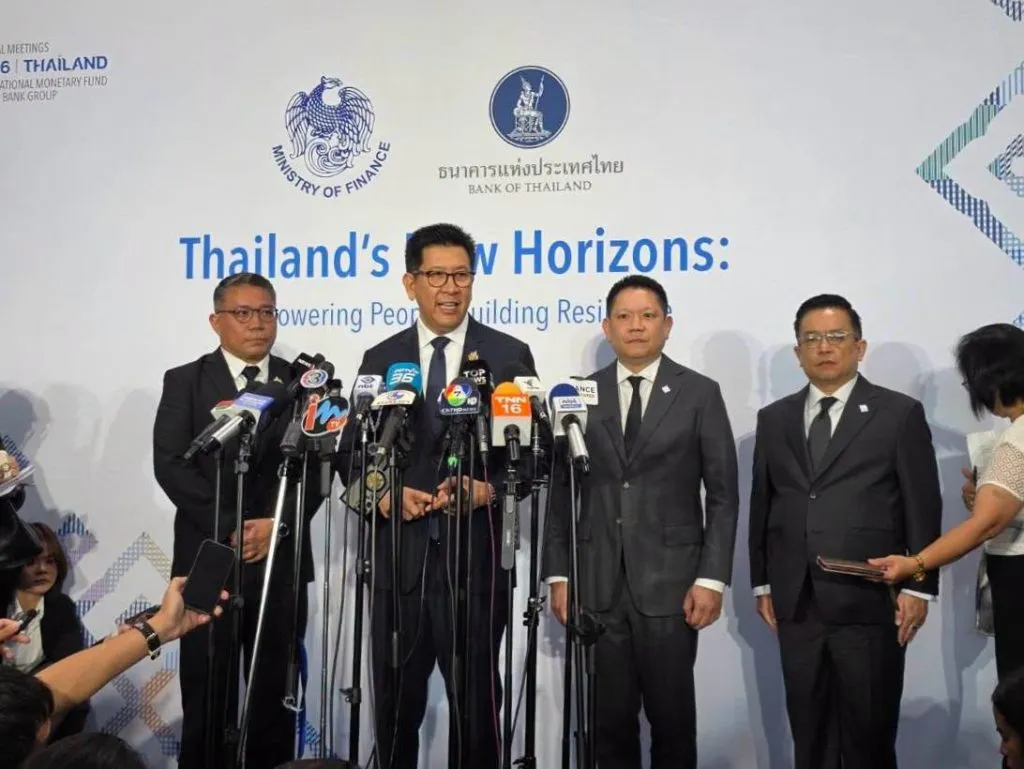
During the July 14th conference, Ekniti described the meetings, often called the “Olympics of Finance,” as a rare opportunity for Thailand to elevate its role on the global stage. More than 15,000 delegates from 191 countries, including finance ministers, central bank governors, heads of government, and chief executives, are expected to attend the October 12th-18th event at Bangkok’s Queen Sirikit National Convention Center.
Ekniti explained that hosting the meetings for a second time means two things: showcasing Thailand’s capability to organize world-class events while also creating economic and business opportunities.
Thailand is among only three nations to have hosted the IMF-World Bank Annual Meetings twice, having previously welcomed the event in 1991.
Four pillars for an era of uncertainty
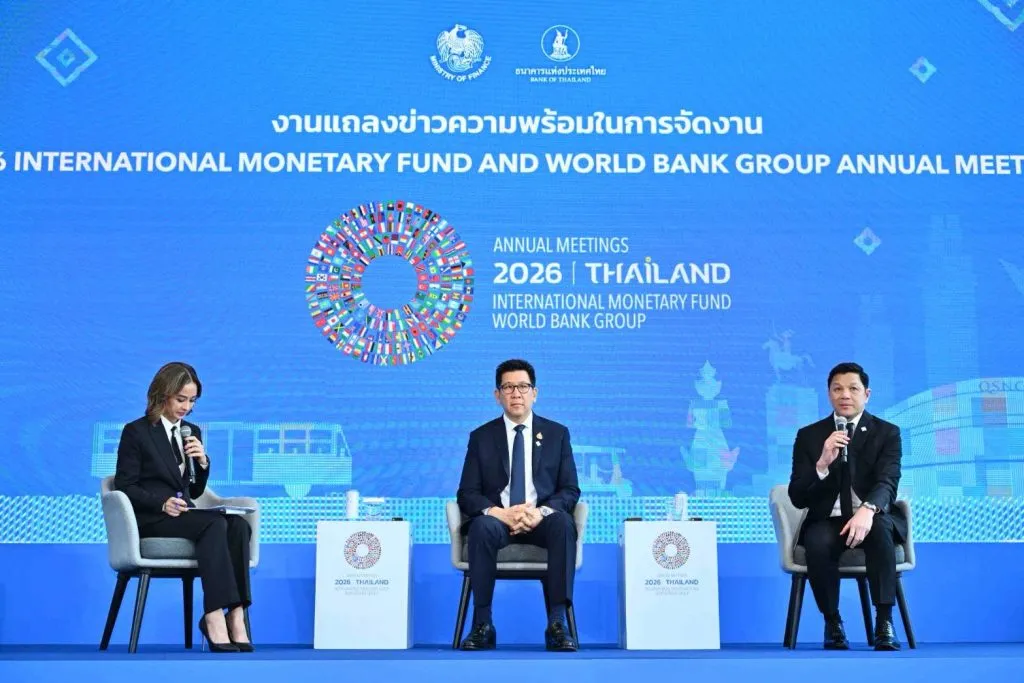
Under the theme “Thailand’s New Horizons: Empowering People, Building Resilience,” the government plans to showcase four policy priorities it believes are increasingly relevant in an era marked by geopolitical fragmentation, economic volatility, and demographic change.
The first centers on digital transformation and artificial intelligence, highlighting Thailand’s Digital Public Infrastructure, including PromptPay and cross-border QR payment systems. Ekniti pointed to the country’s use of digital platforms to deliver government support during the pandemic and its efforts to expand AI tools for small businesses.
A second pillar focuses on what Thailand calls “Building Resilience in a Fragmented World.” Rather than positioning itself as a traditional middle power, Bangkok is promoting the concept of a “Connected Economy” capable of bridging divides between competing blocs while strengthening supply chains and investment links.
The remaining pillars address climate finance and the “longevity economy,” with Thailand advocating reforms to help countries adapt to climate change while also turning the challenges of aging populations into new sources of economic growth.
Additionally, Ekniti noted that the presence of senior government officials and global corporate leaders is expected to generate investment discussions and business networking opportunities extending well beyond the conference halls.
The Road to Thailand
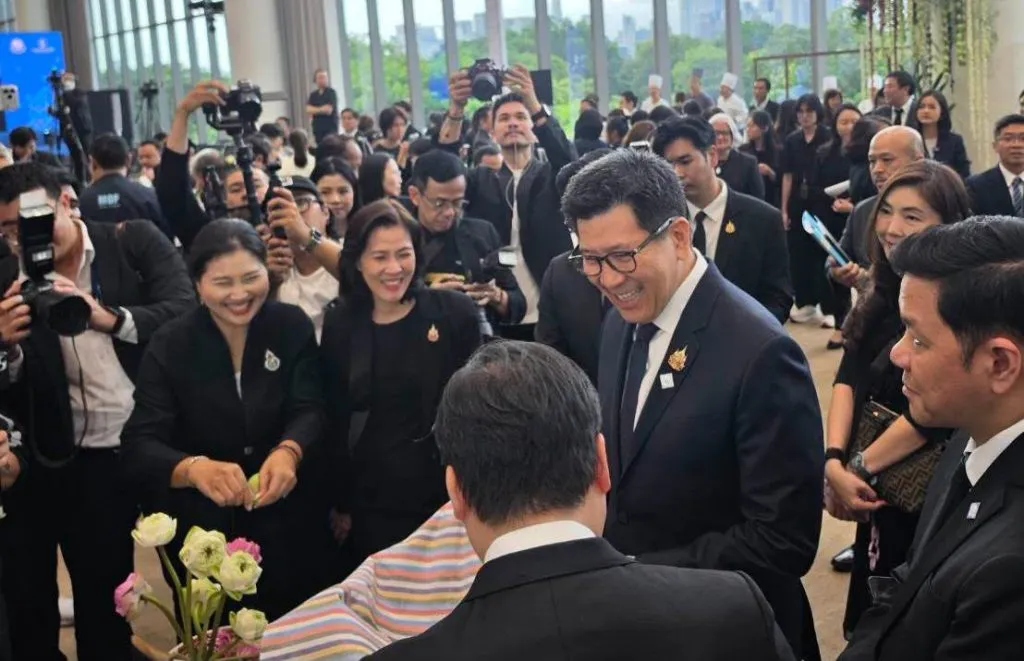
The government has meanwhile launched a nationwide “Road to Thailand” campaign to ensure the benefits reach beyond policymakers and large corporations. The initiative seeks to involve local communities, small businesses and young people while showcasing Thai culture, textiles and regional products to a global audience.
Thailand is also positioning itself as a source of policy innovation. Alongside the meetings, the Bank of Thailand plans to unveil the “Bangkok Blueprint,” a framework developed with the IMF and World Bank aimed at combating digital financial fraud and strengthening trust in the digital economy.
With final IMF and World Bank assessment teams already conducting readiness checks in Bangkok, Ekniti declared Thailand “100 percent ready,” as he framed the event as a historic opportunity for the Kingdom to contribute ideas to a rapidly changing global economic order.

 Teerin Julsawad
  Thailand NOW